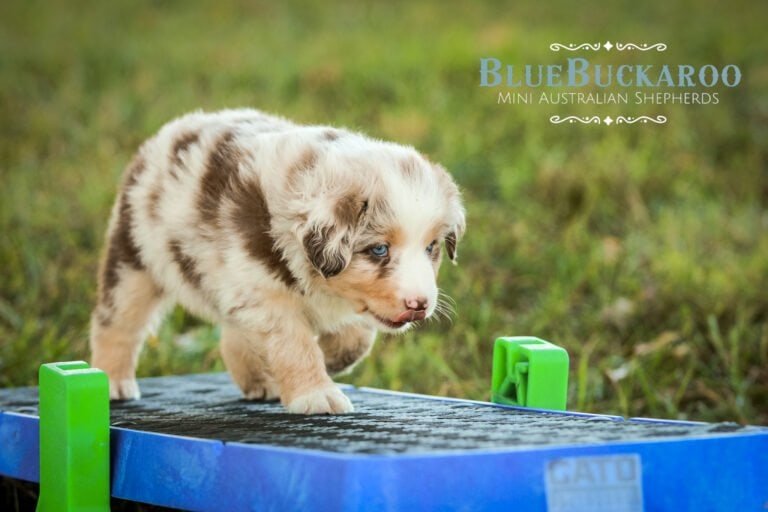
How Much Exercise Does a Mini Aussie Really Need?
Mini Aussies were bred to work, think, problem-solve, and stay connected to their person. The goal is not to wear them out. The goal is to fulfill them.
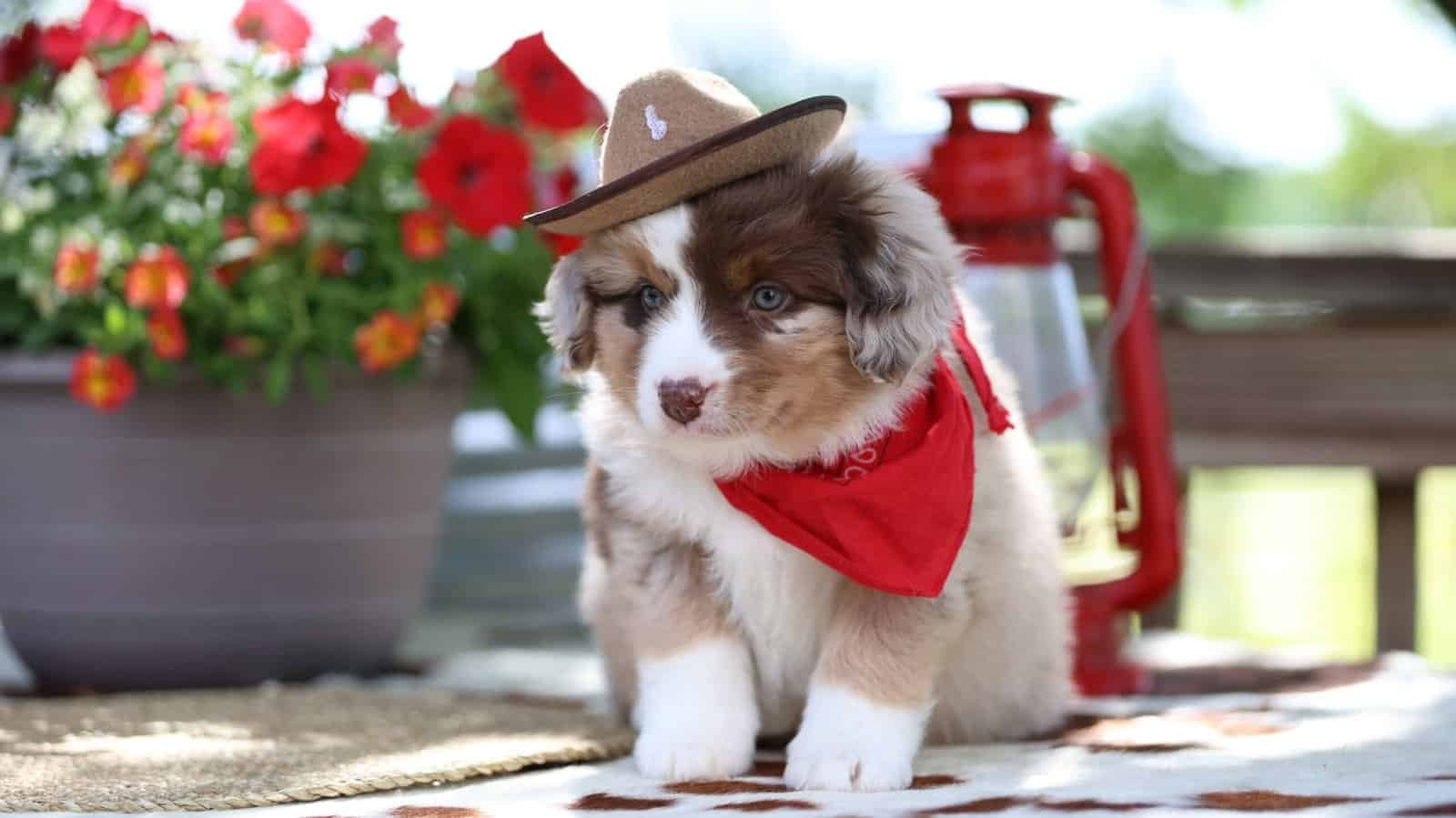
Adult Mini Aussies need 60–90 minutes of real daily exercise.
That does not mean nonstop chaos. It means a mix of movement, structure, training, problem-solving, sniffing, and connection. A bored Mini Aussie is not lazy. A bored Mini Aussie gets creative.
- Physical exercise
- Mental work
- Training
- Sniffing
- Play with rules
- Calm structure
Physical exercise tires the body. Mental exercise tires the dog.
This is the part most people miss. Mini Aussies do not just need to move. They need to think, focus, solve problems, and work with you.
It’s not just about physical exercise.
Mini Aussies don’t just need to move their bodies — they need to use their brains. This breed was developed for problem-solving, decision-making, and sustained focus. A dog that gets physical exercise but zero mental stimulation will still find an outlet.
And that outlet probably will not be one you assigned.
A bored Mini Aussie may invent games involving your furniture, develop anxiety behaviors, become reactive on leash, or start herding your kids with increasing enthusiasm. None of that is the dog’s fault. It is a mismatch between what they need and what they are getting.
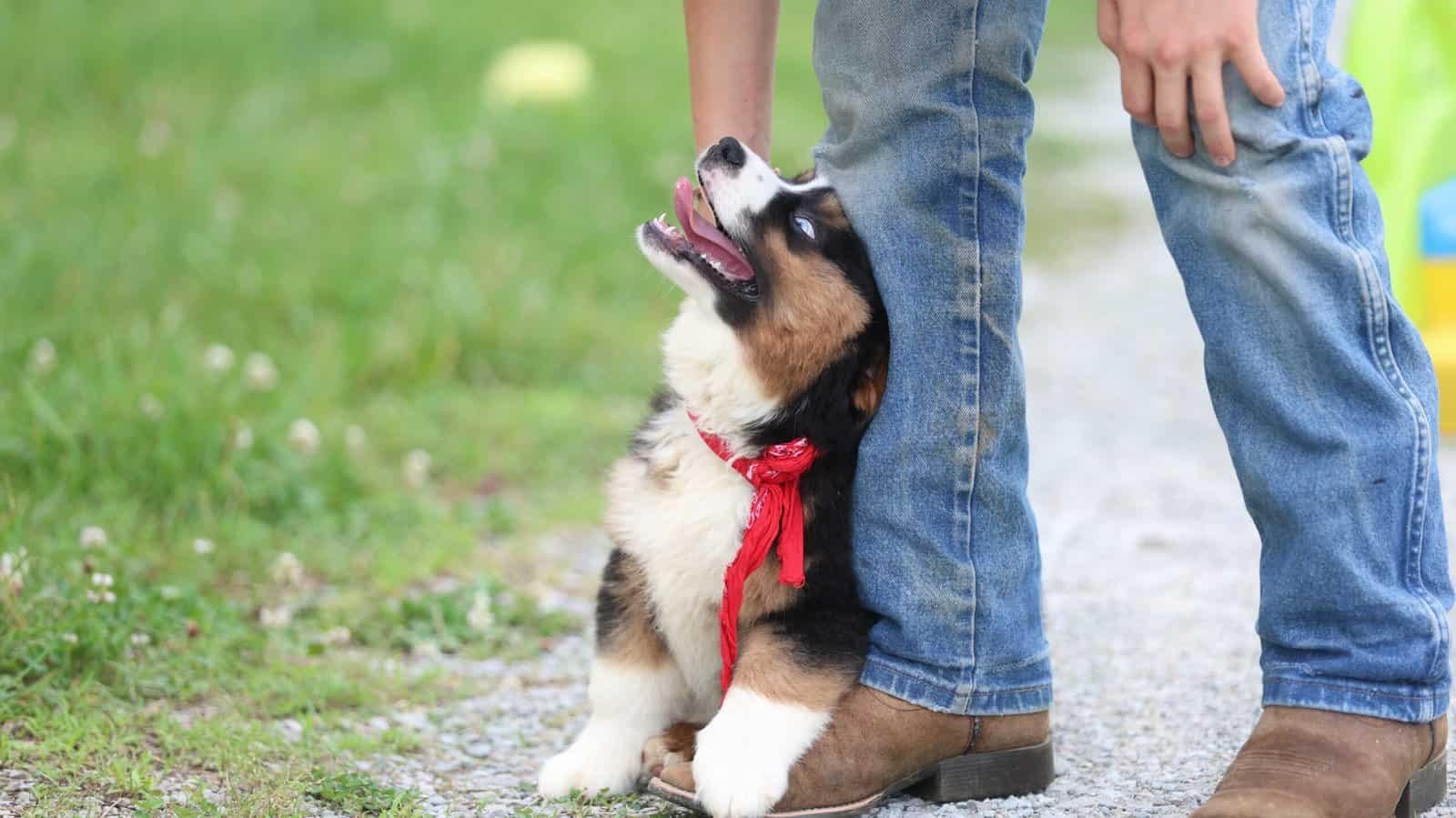
A tired Mini Aussie is not always a happy Mini Aussie. A fulfilled Mini Aussie is.
Movement matters, but structure matters more. This breed thrives when exercise has purpose, connection, and boundaries.
How much exercise does a Mini Aussie need daily?
Here is the honest breakdown by age. Puppies need more enrichment than miles. Adults need consistent real activity. Seniors still need engagement, just gentler.
Per month of age. Protect joints. Focus on enrichment, handling, surfaces, sounds, and short training.
Minutes daily, split into sessions. Quality matters more than random yard time.
Minutes of real exercise daily. This is the commitment level of the breed.
Shorter and gentler, but engagement still matters for mobility and mental sharpness.
Mini Aussies need commitment, not chaos.
What people think
- They need a farm to be happy.
- They need constant activity all day.
- A big yard replaces walks and training.
- If they are hyper, they just need to run more.
The reality
- They need engagement with their person.
- They need daily structure and mental work.
- A yard is helpful, but it is not a plan.
- Calm behavior is trained, not magically installed.
What actually counts as real exercise?
Not all activity is equal. Some activities genuinely move the needle. Others are helpful but not enough by themselves. And some things simply do not replace real engagement.
High Value
These activities do the job.
- Structured leash walks with engagement
- Off-leash running in a safe fenced area
- Fetch with rules and thinking
- Swimming
- Hiking on varied terrain
- Agility, disc, or dog sports
- Focused training sessions
Medium Value
Helpful, but not enough alone.
- Backyard time with other dogs
- Sniff walks where the dog leads
- Tug and interactive play
- Short outings to new places
Low Value
These do not replace real exercise.
- Wandering the backyard alone
- Watching you work
- Sitting on the porch
- Existing in a big yard without interaction
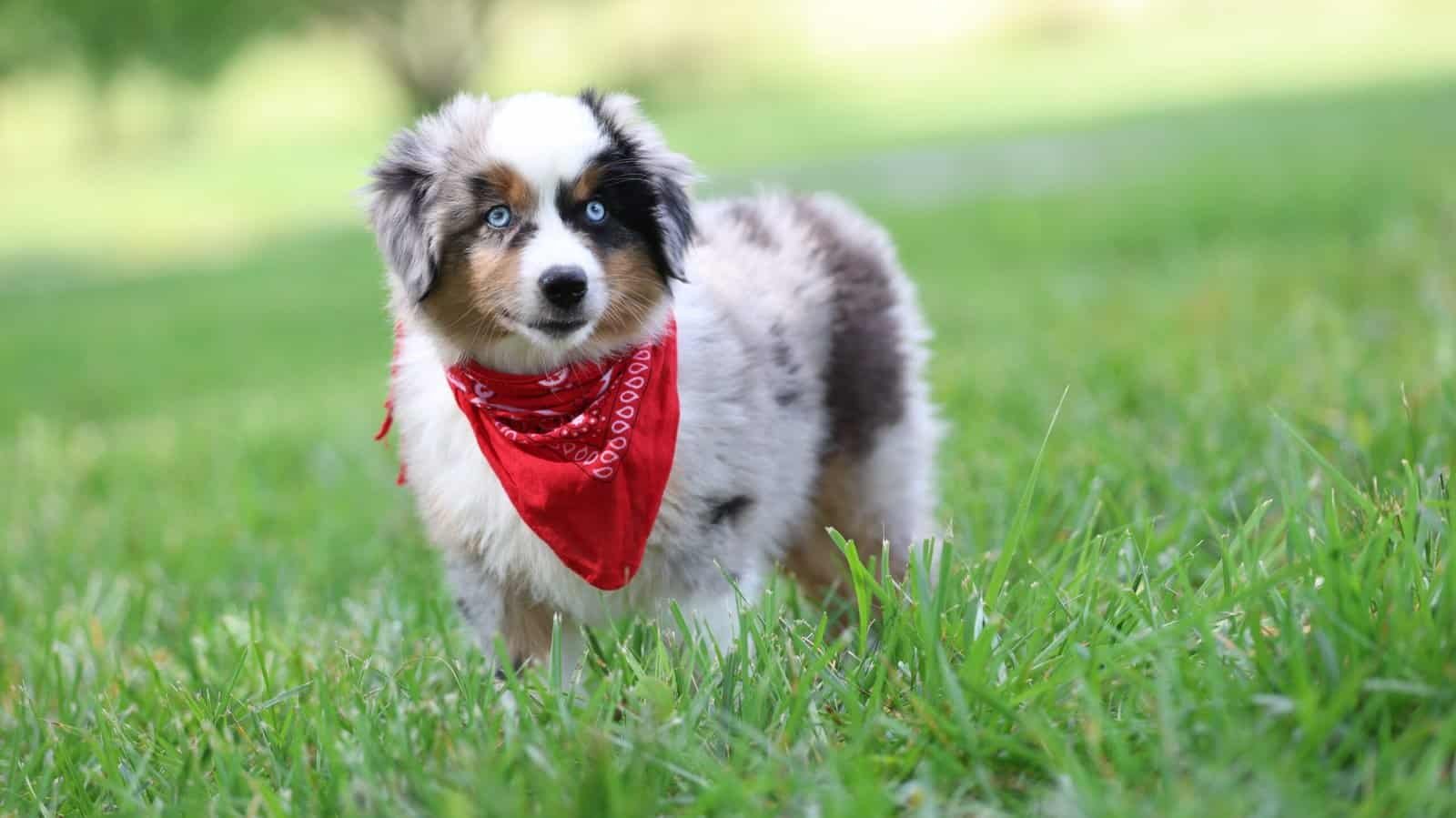
A yard is a bonus. It is not a lifestyle plan.
A lot of owners assume having a yard means their dog is exercising. It usually does not. A Mini Aussie left alone in a yard will often find a corner, watch the door, and wait for you.
They want to do things with you, not independent of you. That is the breed.
This is also why Mini Aussies can sometimes do well in apartments or suburbs when the owner is structured, consistent, and active. The location matters less than the daily routine.
What mental exercise looks like in real life
Training Sessions
Even 10–15 minutes of commands, tricks, proofing, or problem-solving can be genuinely tiring. This is some of the most effective enrichment you can provide.
Puzzle Feeders & Sniff Work
Feed a meal in a puzzle feeder, scatter food in the grass, or hide treats and let them search. Nose work uses the brain in a big way.
Structured Play
Play with rules, stops, restarts, permission, and release cues. That turns a simple game into impulse control work.
Signs your Mini Aussie is not getting enough
If you are wondering whether your dog is getting what they need, look at behavior. Under-exercised Mini Aussies usually communicate pretty clearly.
- Destructive behavior — chewing, digging, getting into things
- Excessive barking or whining
- Leash reactivity or frustration on walks
- Hyperactivity indoors that does not settle
- Attention-seeking behaviors that escalate
- Nipping, herding, or controlling behavior toward kids or pets
- Anxiety or restlessness, especially in the evenings
None of these are character flaws. They are communication. Increase the exercise and enrichment meaningfully and you will usually see behavior improve quickly.
A realistic daily routine for a Mini Aussie
You do not need to become a dog sports competitor to meet a Mini Aussie’s needs. You do need a real plan.
Morning
20–30 minutes. Structured walk or training session before the day starts. This sets the dog up for calmer behavior.
Midday
15 minutes if possible. Puzzle feeder, short training session, or sniff walk. Even a small reset helps.
Evening
30–45 minutes. Fetch, hiking, backyard training, off-leash time, or focused play. This is the main event.
Wind Down
Practice settle, place, down-stay, or calm connection before bed. End the day with structure, not chaos.
What this means before you bring home a puppy
If you are considering a Blue Buckaroo puppy, think this through before puppy day. Not because we want to talk you out of the breed, but because the families who thrive with Mini Aussies are the ones who go in with clear eyes.
The good news is that Mini Aussies are incredibly adaptable. They do not require a farm, a job, or a professional trainer. They require a person who shows up consistently.
That person gets one of the most rewarding, loyal, intelligent, and genuinely fun dogs on the planet.
Related Blue Buckaroo guides
Mini Aussie Breed Information
Learn about temperament, size, coat, structure, and what life with this breed actually looks like.
Read Guide →
Mini Aussie Reality Guide
The honest guide families should read before bringing home a Mini Aussie puppy.
Read Guide →
Housebreaking Your Puppy
Start puppy life with better structure, realistic expectations, and fewer preventable mistakes.
Read Guide →Mini Aussie exercise questions families ask
How much exercise does a Mini Aussie need per day?
Adult Mini Aussies need a minimum of 60–90 minutes of real daily exercise, including both physical movement and mental engagement. Adolescents need at least 45–60 minutes. Puppies need less physical exercise but more enrichment.
Can a Mini Aussie be left alone all day?
A Mini Aussie that is under-exercised and left alone for long stretches will usually find its own entertainment. A strong morning session, midday enrichment if possible, and a real evening routine are important.
Is a Mini Aussie good for apartment living?
It can work with a committed owner. A Mini Aussie in an apartment needs daily outdoor exercise, training, enrichment, and structure. If you want a low-activity dog, this is not the right breed.
What happens if a Mini Aussie does not get enough exercise?
Common issues include destructive behavior, anxiety, reactivity, excessive barking, herding behavior, and indoor hyperactivity. These are often signs of unmet needs, not a bad dog.
Does a bigger yard mean less exercise is needed?
No. A yard is helpful, but it does not replace structured exercise with the owner. Mini Aussies want connection and purpose, not just square footage.
Are Mini Aussies good running partners?
Yes, once fully grown and conditioned properly. Before maturity, protect joints and avoid repetitive high-impact exercise. Build distance gradually and watch for soreness or fatigue.
Do Mini Aussies need mental stimulation?
Yes. Mental stimulation is not optional for this breed. Training, sniff work, puzzle feeders, structured play, and new environments are all valuable.
Can Mini Aussies calm down indoors?
Yes, but calm behavior must be taught. Daily fulfillment plus place work, crate training, settle practice, and clear boundaries help a Mini Aussie develop a real off switch.
Choose the puppy, but understand the breed first.
If you are thinking about a Mini Aussie, start with honest expectations. Learn the breed, review available puppies, and look ahead at planned litters when timing matters.
Follow the Daily Adventures of Our Blue Buckaroo Puppies
See puppy videos, training moments, behind-the-scenes updates, and everyday life with our Mini Aussies.