
Housebreaking Your Puppy Without Losing Your Mind
Housebreaking works best when you stop waiting for your puppy to magically understand and start creating a simple rhythm of supervision, routine, crate time, and rewarded success.
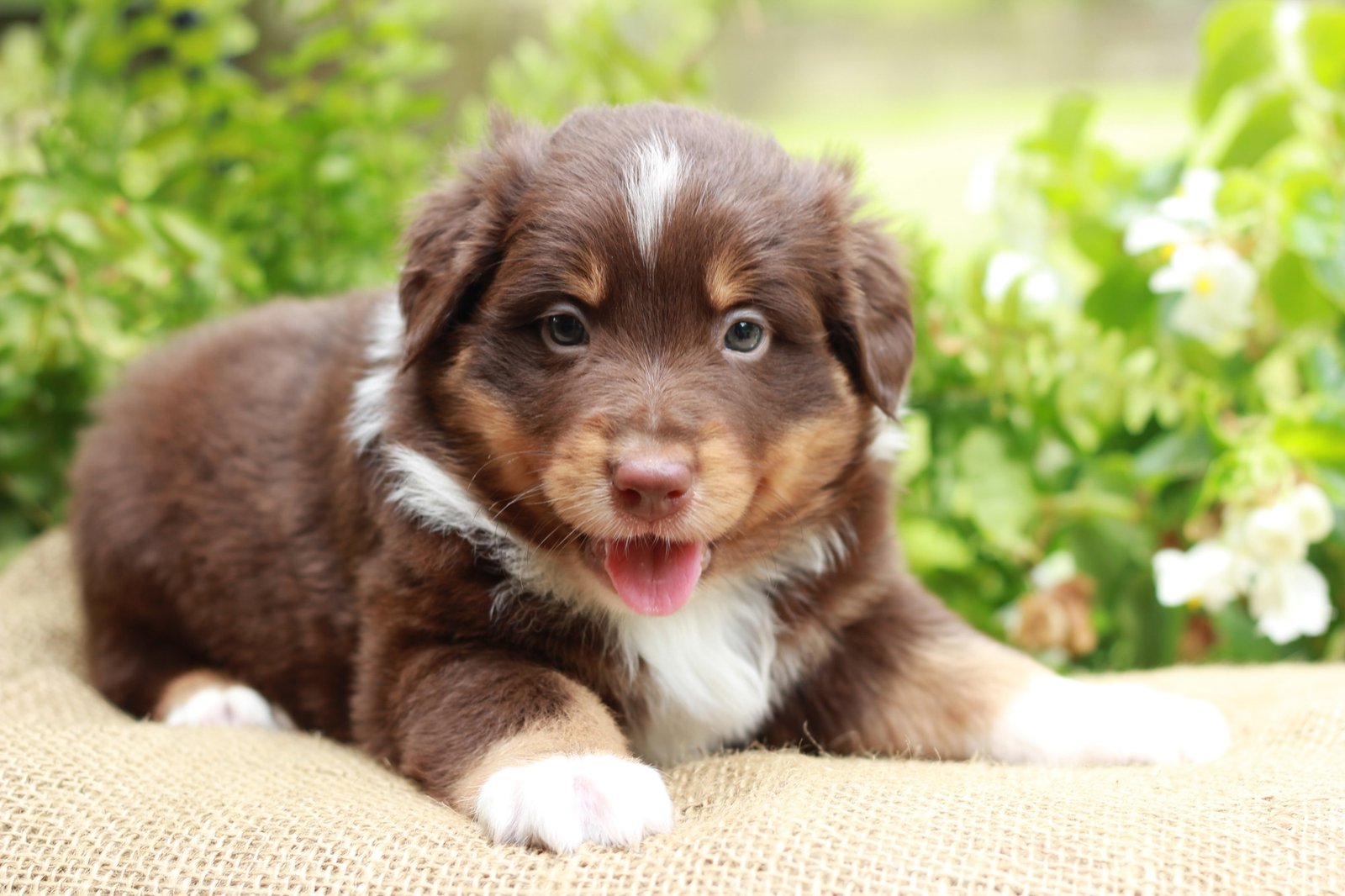
Housebreaking is not about waiting for your puppy to learn.
It is about preventing mistakes long enough for success to become a habit. Young puppies do not understand your house rules yet. They need structure, repetition, and clear opportunities to get it right.
If your puppy has frequent accidents, the answer is usually not more correction. The answer is better timing, better supervision, and fewer chances to make the wrong choice.
The goal is simple: fewer accidents, more successful potty trips, and a routine your puppy can understand.
The housebreaking formula is simple.
Prevent
Do not give a young puppy free access to the whole house. Freedom comes after reliability.
Schedule
Take your puppy out often enough that success becomes easy and accidents become rare.
Reward
Mark and reward the moment your puppy goes in the right place. Make the correct choice valuable.
Repeat
Potty training is not one lesson. It is a pattern repeated until your puppy understands.
The puppy potty training schedule that actually works.
Young puppies need frequent potty opportunities. Do not wait until your puppy is sniffing, circling, whining, or already making a mistake. Build the schedule first.
Why most puppies have accidents in the house.
Accidents are not usually a sign that a puppy is stubborn. Most of the time, the puppy had too much freedom, too little supervision, or missed the timing window.
Too Much Freedom
A puppy wandering the house will eventually find a quiet place to potty.
Missed Timing
If you wait for obvious signals, you may already be too late.
No Routine
Random potty trips create random results. Predictability builds success.
Poor Cleanup
If odor remains, your puppy may return to the same spot again.

The crate is one of your best housebreaking tools.
A crate helps prevent wandering, supports nap time, protects your home, and gives your puppy a clear place to rest when you cannot supervise.
The crate should not be used as punishment. It should be introduced calmly, positively, and consistently so your puppy learns that rest is normal.
- Use the crate when you cannot actively supervise.
- Take your puppy outside immediately after crate time.
- Keep crate time calm and predictable.
- Make sure the crate is appropriately sized.
What to do when your puppy has an accident.
Accidents are feedback. They tell you the schedule needs tightening, supervision needs improving, or your puppy had more freedom than they were ready for.
Don’t
- Do not rub your puppy’s nose in it.
- Do not yell after the fact.
- Do not assume your puppy is being spiteful.
- Do not give more freedom than your puppy has earned.
Do
- Clean the area thoroughly with an enzymatic cleaner.
- Take your puppy out more often.
- Supervise more closely.
- Reward outdoor success immediately.
We want puppies prepared for real homes.
At Blue Buckaroo, we believe puppy success starts before pickup day. Early exposure to crate time, handling, car rides, surfaces, routines, and calm expectations helps puppies transition more smoothly into family life.
Housebreaking still takes consistency at home, but a puppy who has already experienced structure has a better foundation to build from.
Common housebreaking questions from new puppy families.
How long does it take to housebreak a puppy?
Every puppy is different. Some puppies catch on quickly, while others need weeks or months of consistency before they are truly reliable. Young puppies still need maturity and routine.
How often should I take my puppy outside?
Very young puppies may need to go every 30 to 60 minutes when awake, plus after sleeping, eating, drinking, and playing.
Should I use puppy pads?
Puppy pads can confuse some puppies because they teach that going indoors is acceptable. If your goal is outdoor potty training, outdoor success should be the main focus whenever possible.
What if my puppy pees in the crate?
Check crate size, schedule, water timing, and how long your puppy is being asked to hold it. A crate that is too large or a schedule that is too loose can create problems.
Why was my puppy doing well and then started having accidents again?
Regression is common. Growth, distraction, too much freedom, schedule changes, or missed supervision can all create setbacks. Go back to the basics and rebuild the routine.
Potty training gets easier with the right plan.
Prevent accidents, reward success, and keep your expectations realistic. A clear routine gives your puppy the best chance to succeed.