
The Puppy Ownership Do’s and Don’ts Every Family Should Know
The first few weeks shape everything. Learn the habits, routines, and mistakes that have the biggest impact on your puppy’s confidence, manners, and future family life.
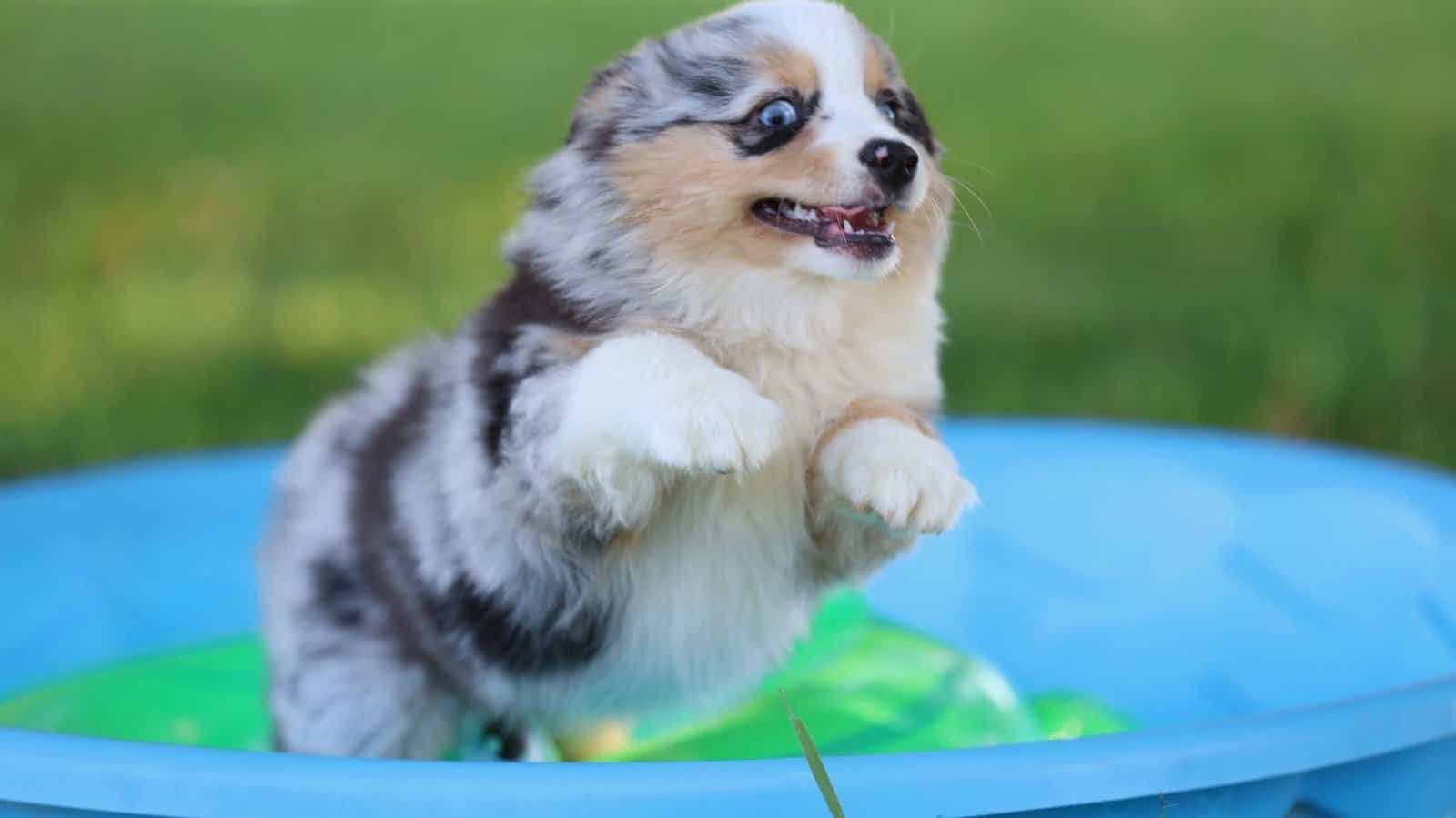
Your puppy is learning from you every minute.
Puppy training does not begin when you finally have time. It begins the moment your puppy walks into your home. Every interaction teaches something.
If you reward chaos, you get more chaos. If you reward calm, patience, and attention, those behaviors start becoming part of your puppy’s normal rhythm.
The little things you allow at eight weeks become the habits you live with at eight months.
The most important puppy ownership do’s and don’ts.
Don’t wait to start training.
Your puppy is already learning. Waiting until bad habits appear makes everything harder. Start with simple structure, routines, name recognition, crate time, handling, and calm behavior.
Do build a daily rhythm.
Puppies thrive on predictable patterns. Meals, potty breaks, naps, training, play, and quiet time should have a rhythm your puppy can begin to understand.
Don’t create a tiny dictator.
If your puppy learns that barking, biting, jumping, or demanding attention gets results, those behaviors can quickly become a way of life.
Do reward calm behavior.
Calm is not automatic for most puppies, especially smart breeds. Reward settling, waiting, eye contact, quiet crate time, and choosing to relax.
Don’t allow what won’t be cute later.
Jumping, mouthing, grabbing clothes, chasing kids, and demand barking may seem harmless in a tiny puppy. They are not harmless habits in an older dog.
Do teach independence.
A confident puppy can rest, nap, and spend short periods away from you. Healthy independence helps prevent clinginess, frustration, and separation stress.
The crate should feel like a safe place, not a punishment.
Crate training is one of the most useful tools for a new puppy. It helps with potty training, nap time, travel, safety, and teaching your puppy how to turn off.
The key is to introduce it with patience. Short sessions, positive associations, and calm expectations work better than forcing a puppy into distress and hoping they figure it out.
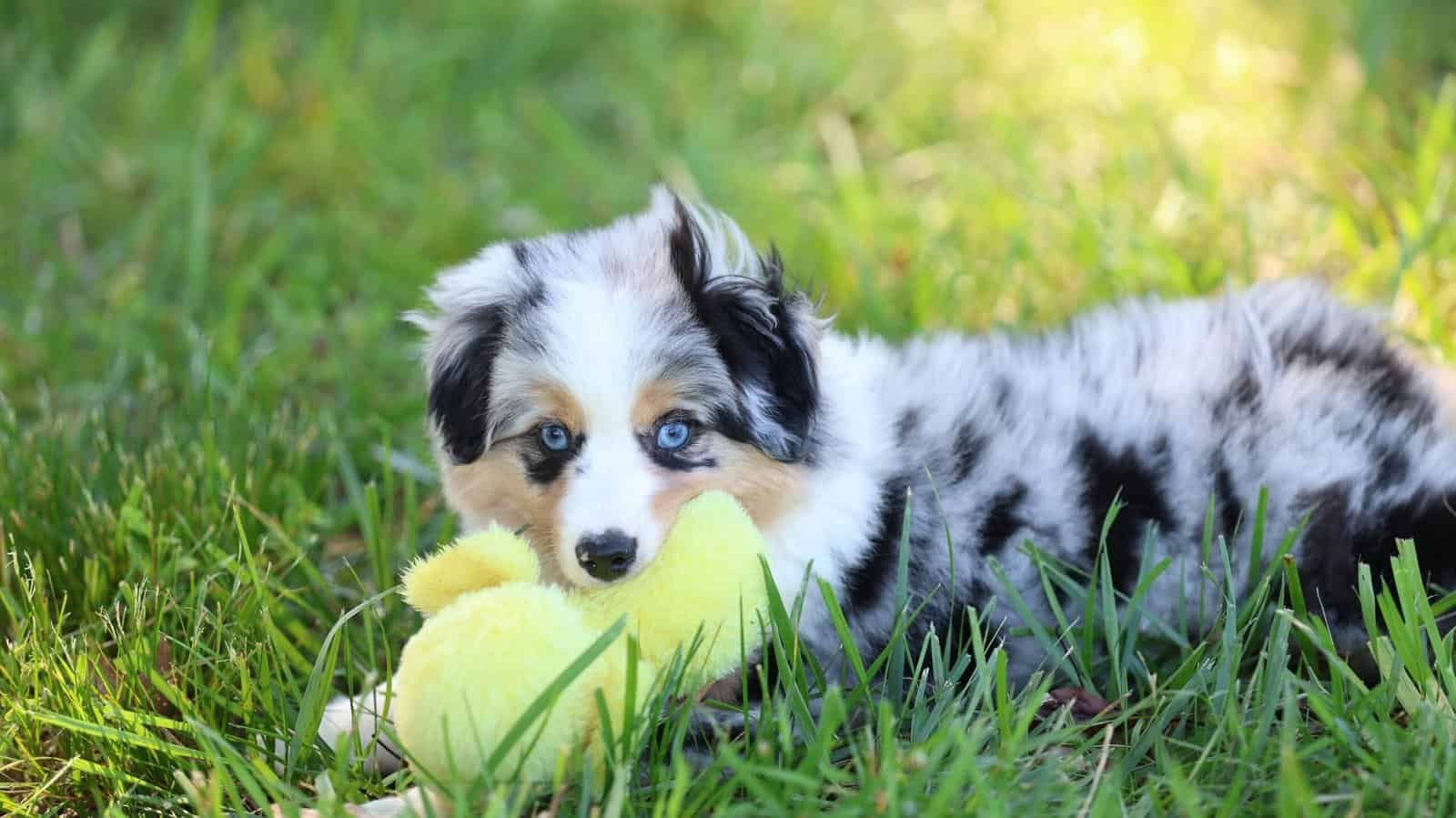
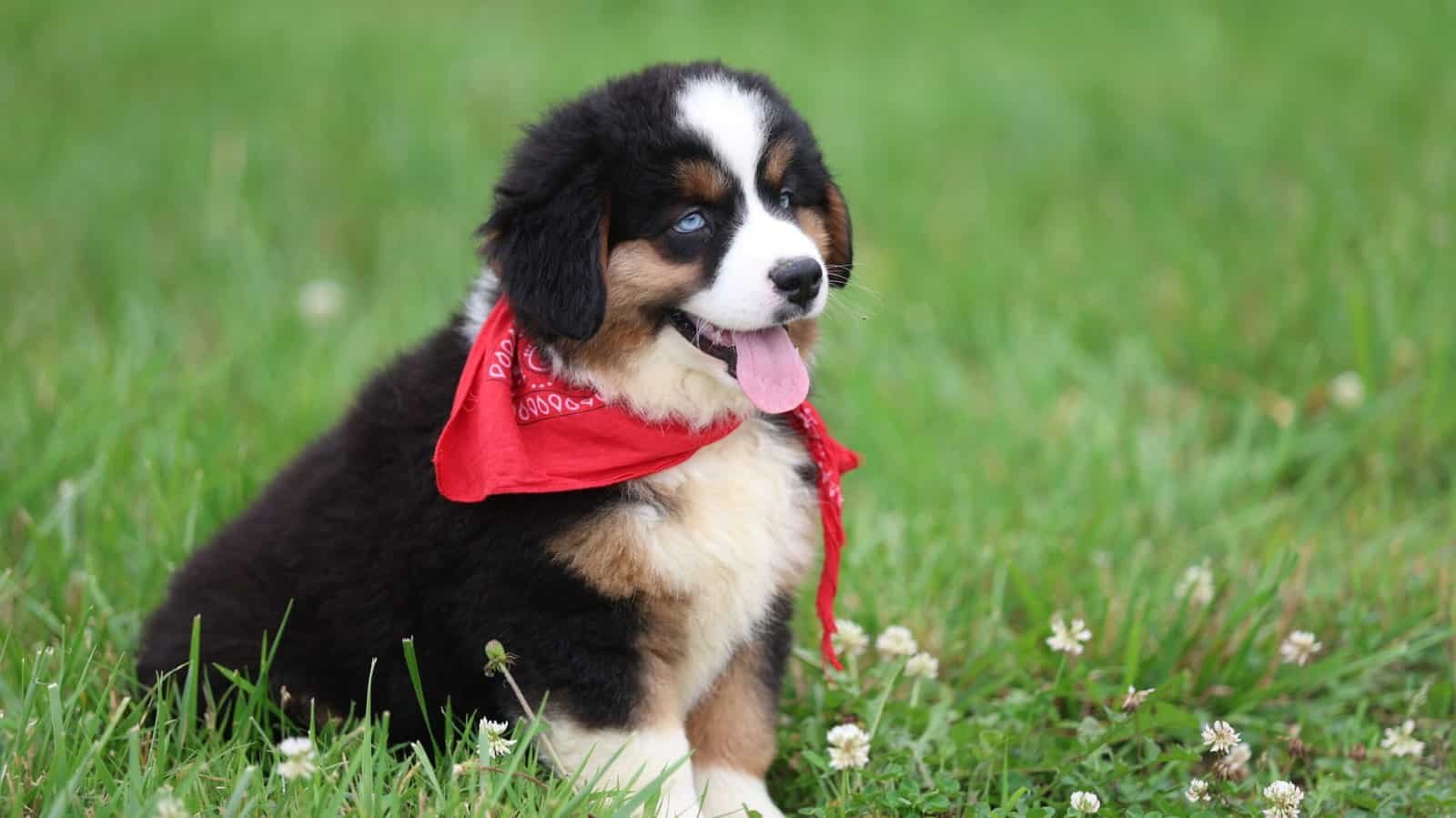
Don’t overwhelm your puppy in the name of socialization.
Socialization does not mean handing your puppy to everyone, taking them everywhere, or flooding them with noise and chaos.
Better socialization means controlled, positive exposure. New surfaces, sounds, people, car rides, grooming, handling, and calm observation all help build confidence.
Consistency, patience, and structure change everything.
The families who do best with puppies are not always the most experienced. They are usually the most consistent.
Consistency
Puppies need the same rules from the whole family. Mixed messages create confusion and slow progress.
Patience
Puppies are babies. They need repetition, grace, correction, praise, and time to understand what you want.
Structure
Freedom should be earned gradually. Too much freedom too soon often creates potty accidents, chewing, and chaos.
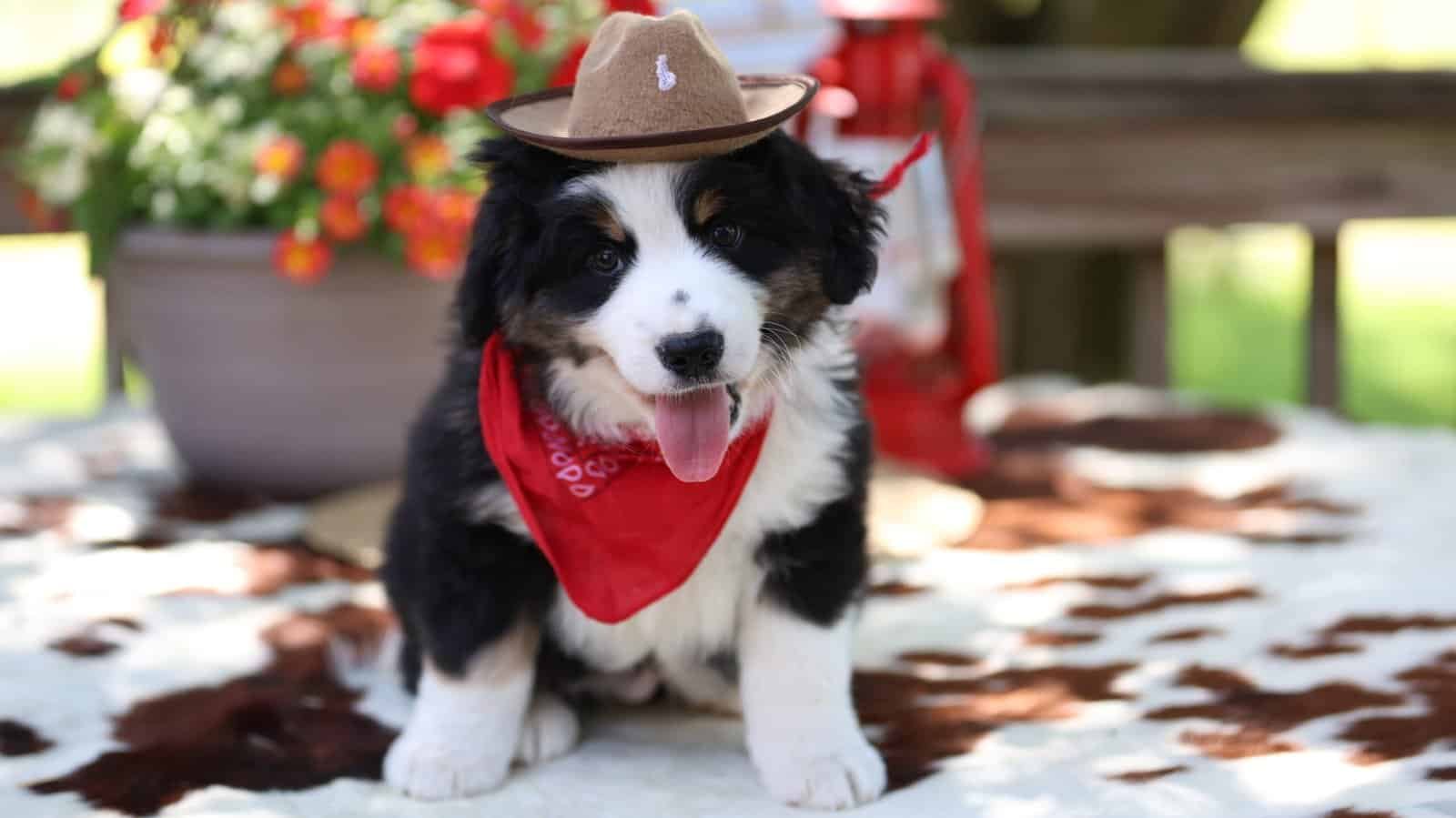
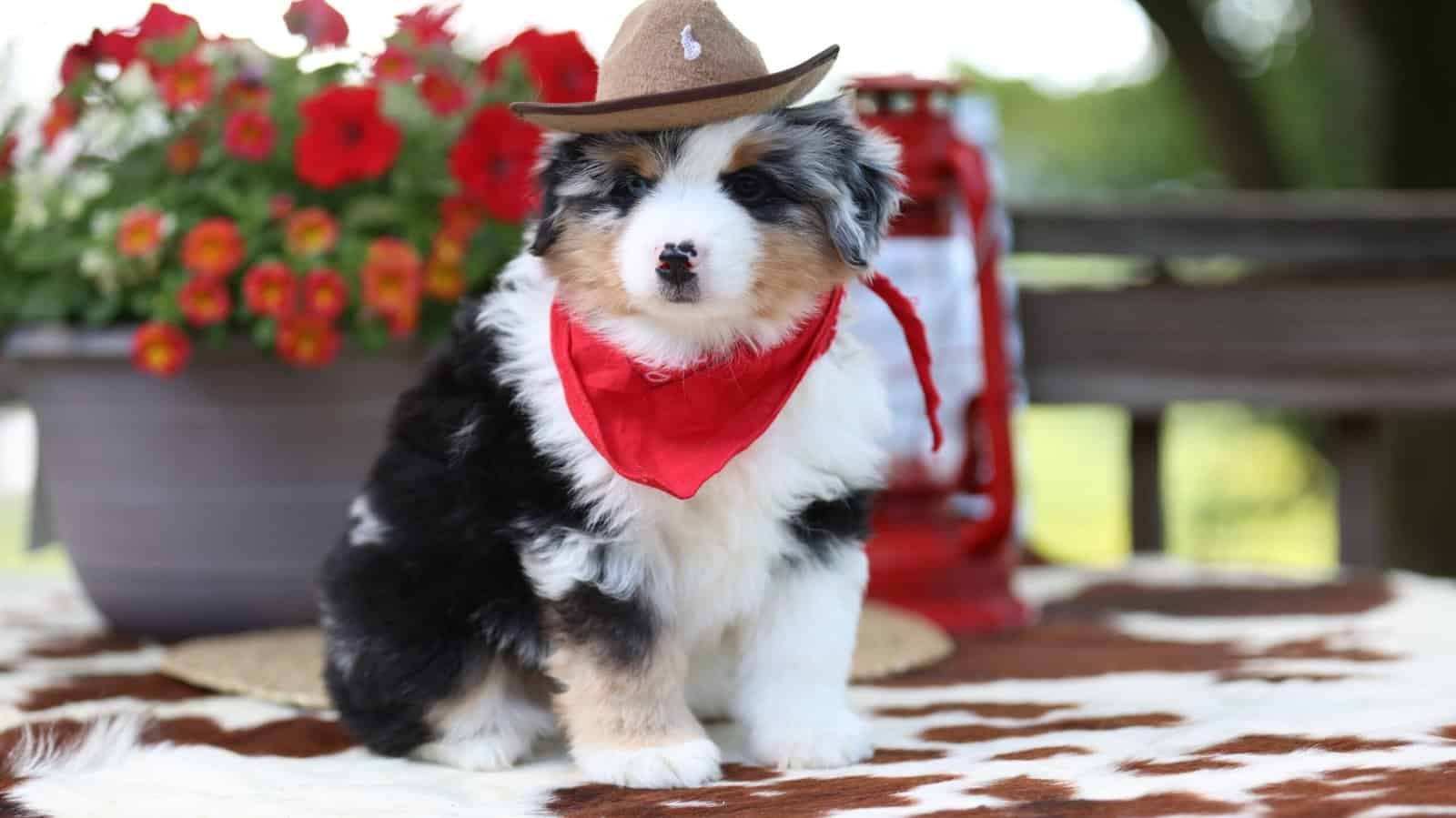
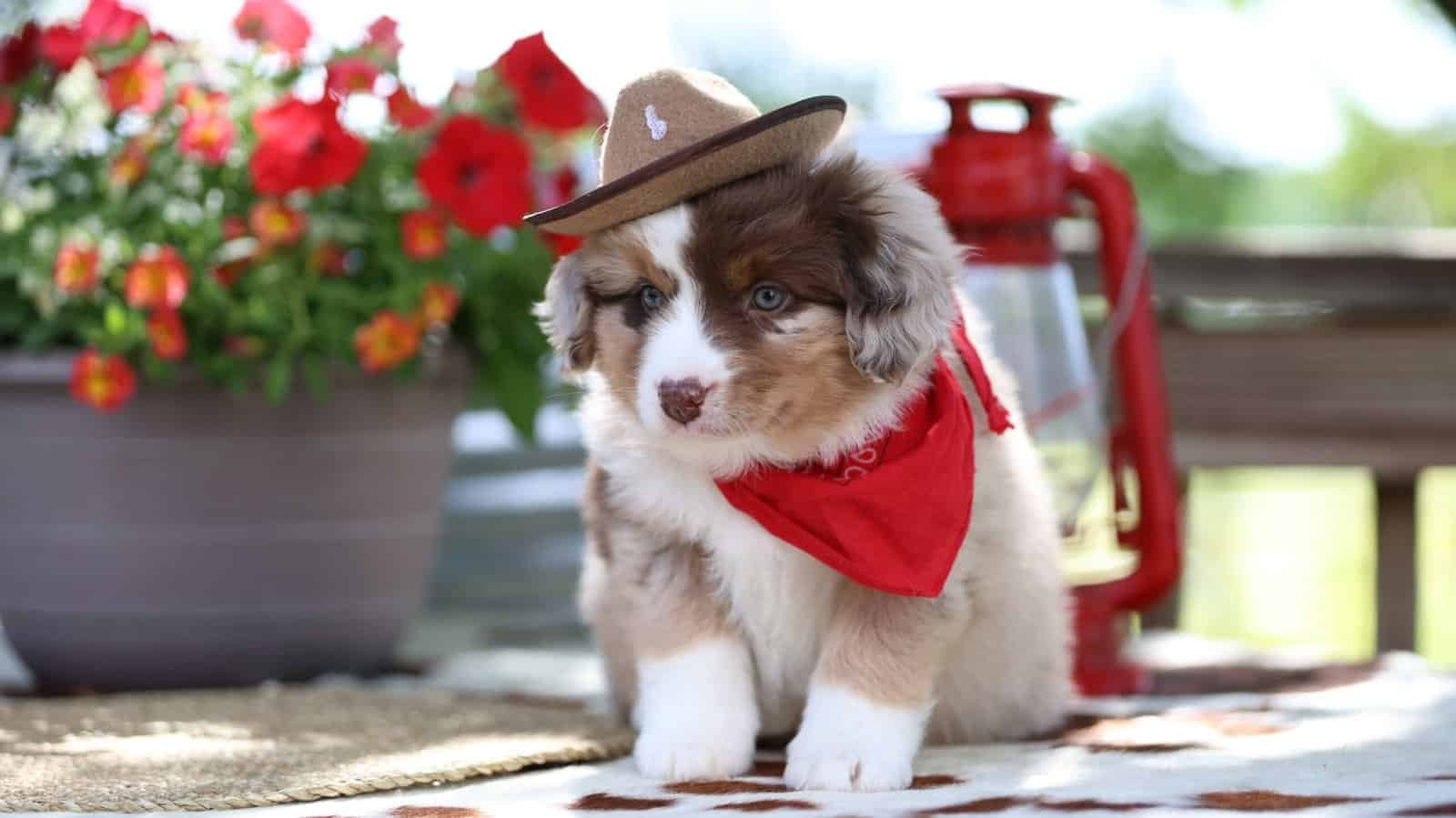
At Blue Buckaroo, puppy preparation starts before pickup day.
We believe puppies do better when they have early exposure to real life. That means gentle handling, confidence building, crate familiarity, surfaces, sounds, car rides, grooming prep, and early structure.
A puppy does not need chaos to become confident. A puppy needs thoughtful exposure, clear leadership, and a home that understands how to guide them.
- Start simple routines immediately.
- Reward calm behavior every chance you get.
- Use food, praise, and structure to teach cooperation.
- Protect nap time and do not let the puppy become overtired.
- Do not allow nipping, chasing, or barking to become games.
- Keep expectations fair, clear, and consistent.
Ready to raise a puppy with confidence?
Start with the right expectations. Learn the breed, prepare your home, and choose a puppy with temperament and family fit in mind.
Bringing home a puppy is one of the most rewarding experiences a family can have, but the first few months are also some of the most important. Consistent routines, clear expectations, positive training, and thoughtful socialization help create confident, well-mannered dogs. Whether you are preparing for your first puppy or adding another dog to your family, focusing on these puppy ownership do’s and don’ts can make the transition smoother for both you and your puppy.