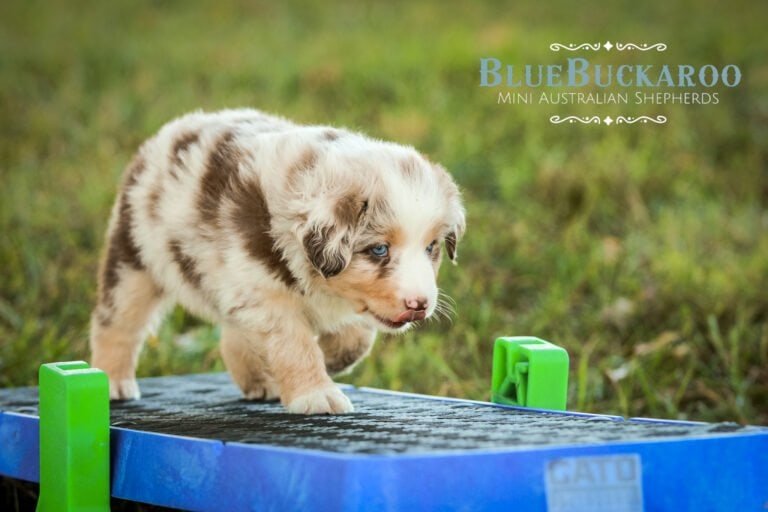
Enrichment Games for Mini Aussies: How to Tire Out Their Brain, Not Just Their Body
Mini Aussies were not bred to be decorative couch ornaments. They were bred to think, watch, problem-solve, move, and work with their people. Enrichment games give that busy brain somewhere productive to go.
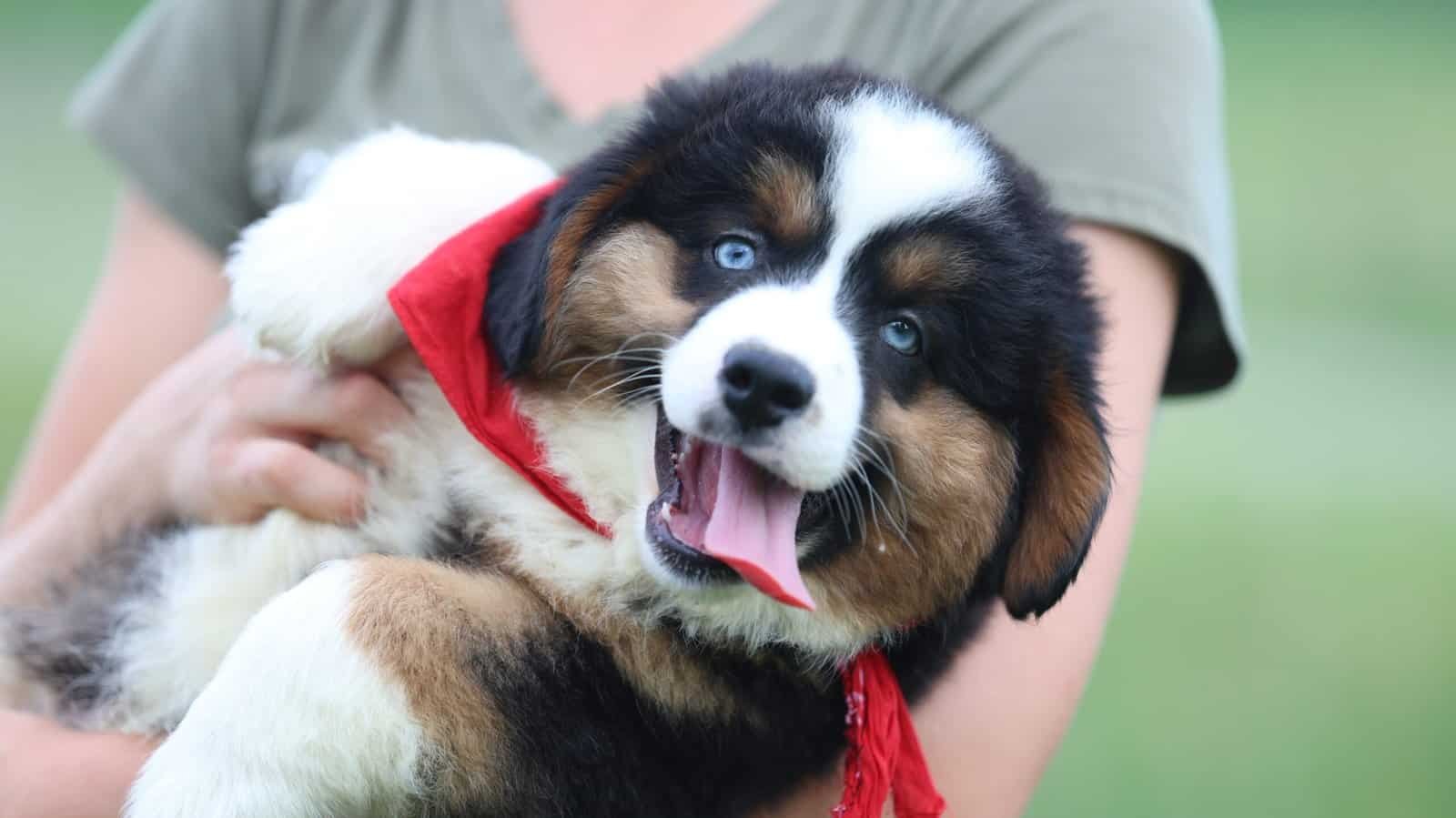
A tired Mini Aussie is not always a fulfilled Mini Aussie.
You can run a Mini Aussie for an hour and still have a dog looking for trouble. Physical exercise matters, but mental work is what truly settles this breed. Enrichment teaches your dog how to think, focus, decompress, problem-solve, use their nose, control impulses, and engage with you instead of inventing their own job.
If you live with a Mini Aussie, you already know they are not casual observers of life. They notice everything. They track your routines. They learn patterns faster than most people realize. They know when you touch the leash, open the treat drawer, look toward the door, or even think about going outside.
That intelligence is one of the best things about the breed. It is also the thing that gets families in trouble when they do not give the dog enough to do. A bored Mini Aussie does not usually become lazy. A bored Mini Aussie becomes inventive. They create games out of shoes, furniture, children, cats, doorbells, fences, or whatever else gives them feedback.
Enrichment is how you give that working brain structure. It does not have to be fancy. It does not require expensive gear. The best enrichment games are simple, repeatable, and woven into everyday life.
Physical exercise tires the body. Enrichment teaches the brain how to settle.
Mini Aussies Need Jobs, Not Just Toys
A toy lying on the floor is not automatically enrichment. Enrichment means the dog has to use their brain, nose, body awareness, patience, or problem-solving ability. It gives them a clear task and a reason to focus.
This matters because Mini Aussies are working dogs in a smaller package. They were bred to notice movement, make decisions, respond to humans, and stay engaged. When that drive is channeled well, you get a responsive, loyal, brilliant companion. When it is not, you get barking, herding, nipping, destructive chewing, anxiety, obsessive behaviors, and a dog who cannot turn off.
The point is not to entertain your dog every second of the day. The point is to build a rhythm where your dog has meaningful outlets and then learns to rest.
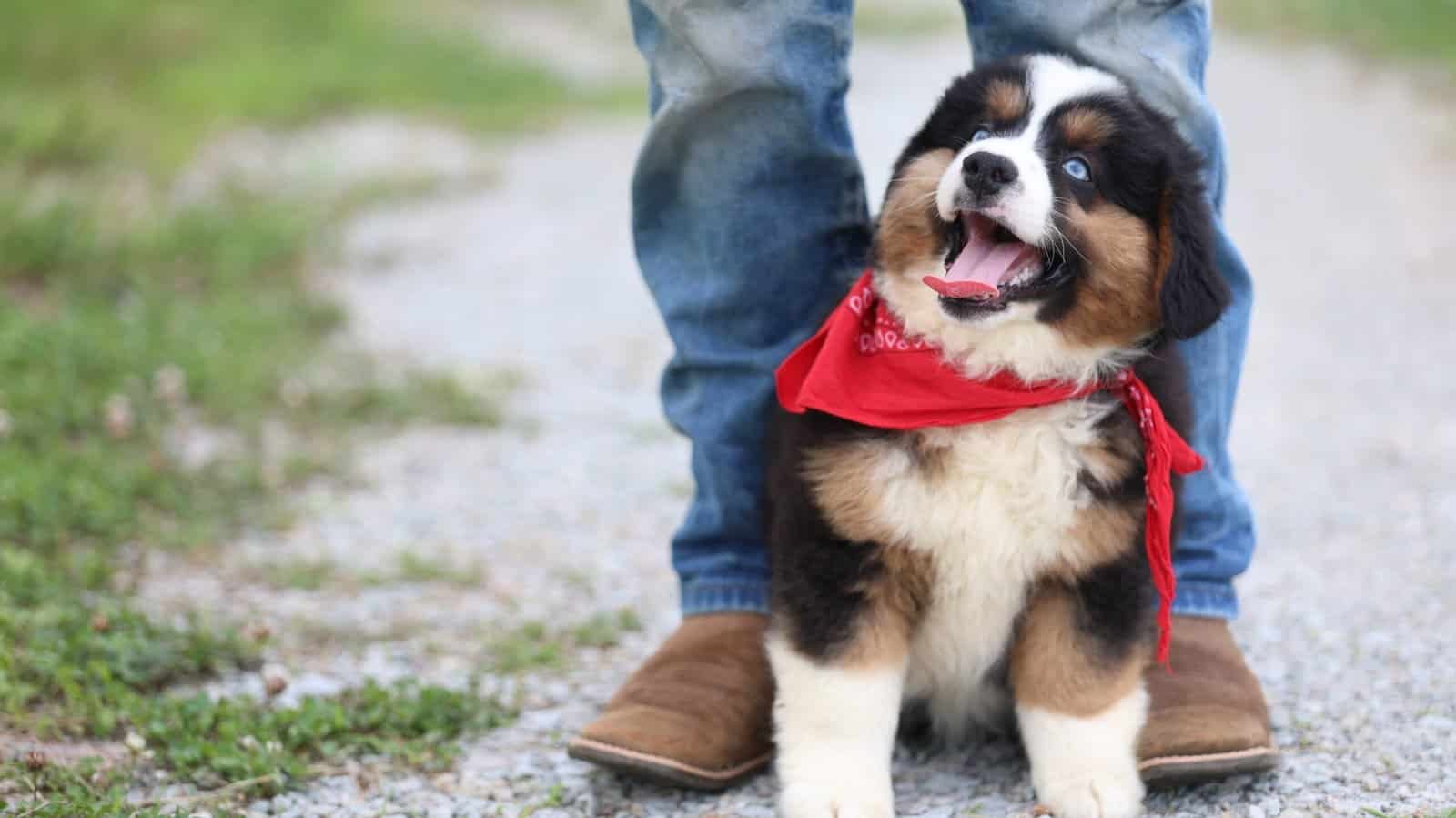
Mini Aussie Enrichment Game Video
This video is a good example of the kind of simple, practical enrichment that works well for smart puppies. Watch the structure: the dog has a job, the human is involved, and the activity requires focus instead of pure chaos.
The Best Enrichment Games for Mini Aussies
Use these as a rotation, not a checklist you have to finish every day. A good enrichment plan is simple: one nose game, one food puzzle, one training-based game, and one calm decompression activity. That is more than enough for most days.
Find It
This is one of the easiest and most effective games for Mini Aussies. Start by tossing a treat a few feet away and saying “find it.” Once your dog understands, hide treats around a room, in the grass, under cups, or behind furniture.
- Start easy so the dog wins quickly.
- Use sniffing to calm frantic energy.
- Great before crate time or bedtime.
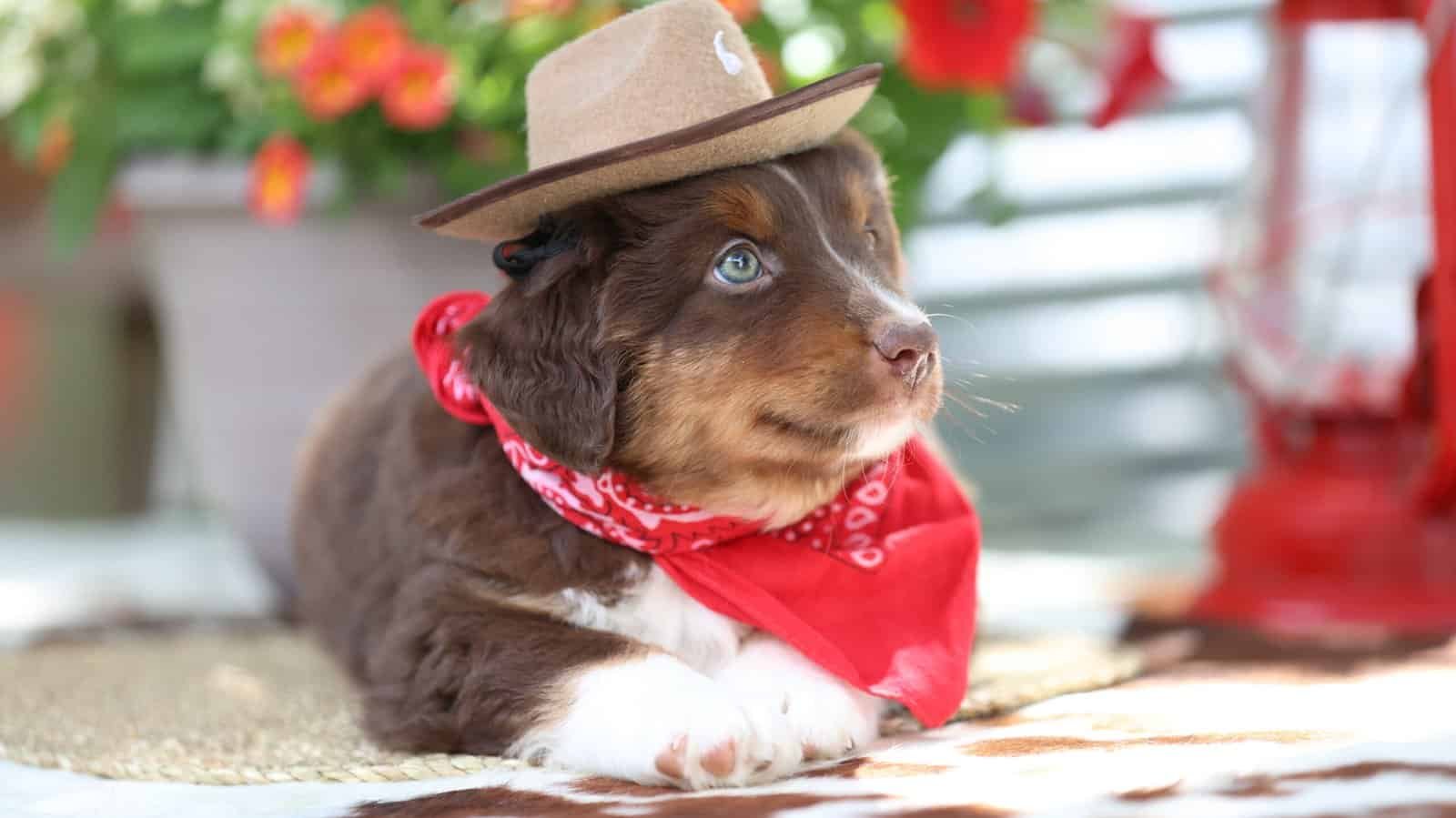
Wait, Release, Get It
Ask your dog to wait before eating a treat, chasing a toy, going through a door, or starting a game. Then release them clearly. This teaches the dog that calm self-control is what opens the door to fun.
- Keep the wait short at first.
- Always use a release word.
- Build duration slowly.
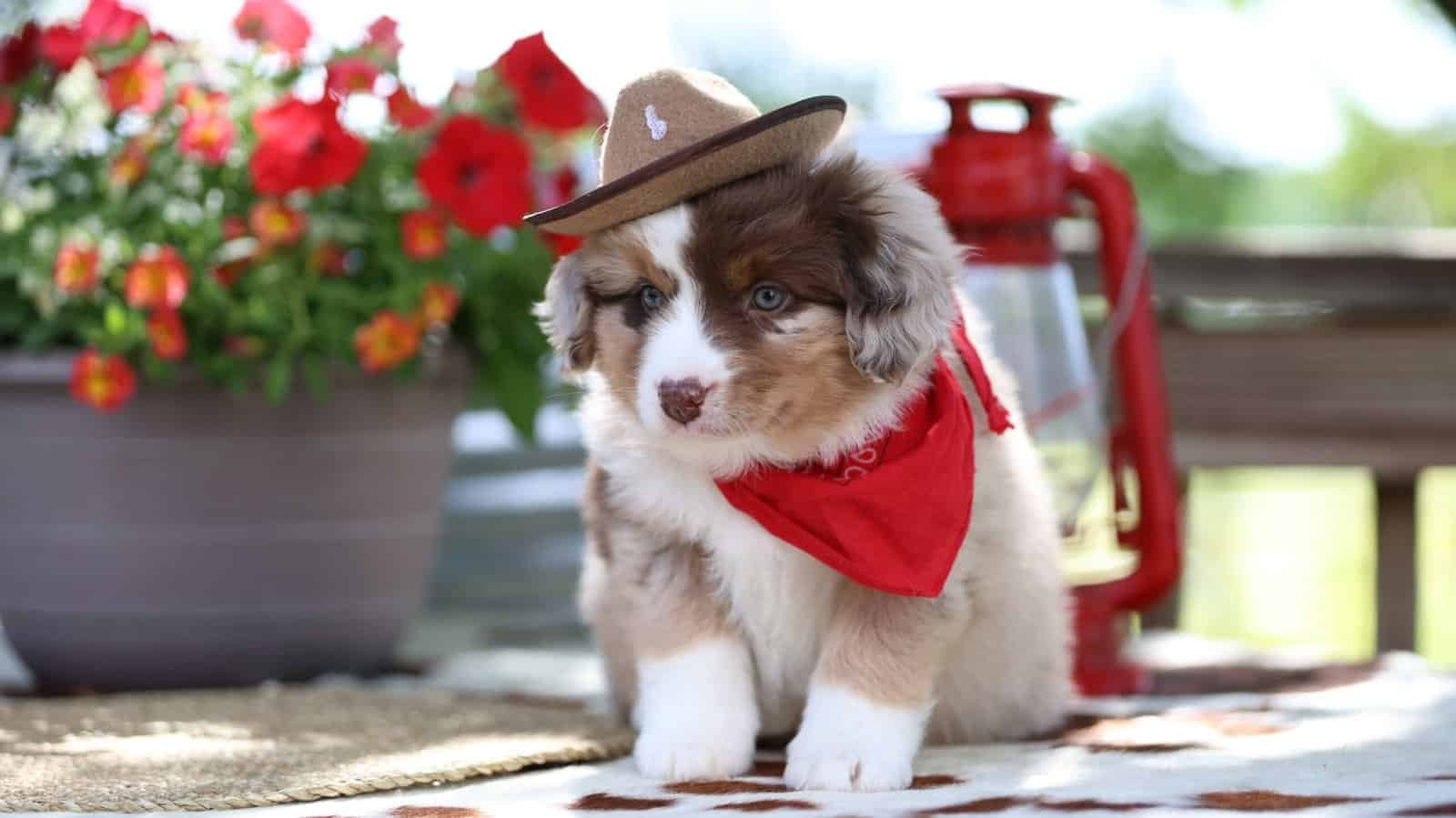
Muffin Tin Puzzle
Place treats or kibble in a muffin tin and cover some cups with tennis balls or toys. Your dog has to move the objects to find the food. It is cheap, easy, and surprisingly tiring for a young dog.
- Use meal kibble to avoid overfeeding.
- Supervise puppies closely.
- Make it harder by covering more cups.
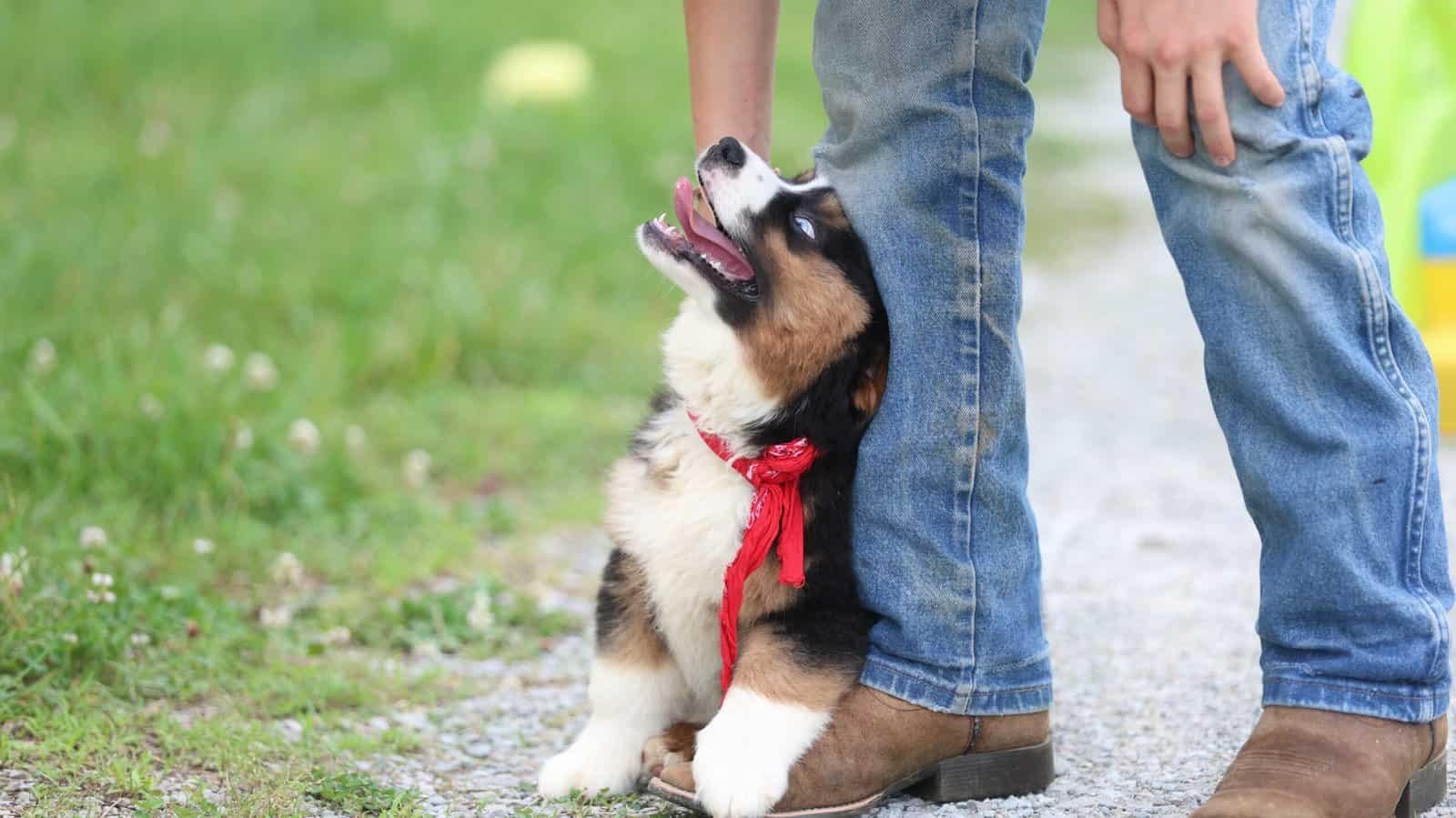
Sniff Walk
A sniff walk is not a formal heel walk. It is a slow walk where your dog is allowed to sniff and process the environment. For a Mini Aussie, this can be more mentally satisfying than a fast walk around the block.
- Use a longer leash in safe areas.
- Let the nose lead sometimes.
- Great for anxious or overstimulated dogs.
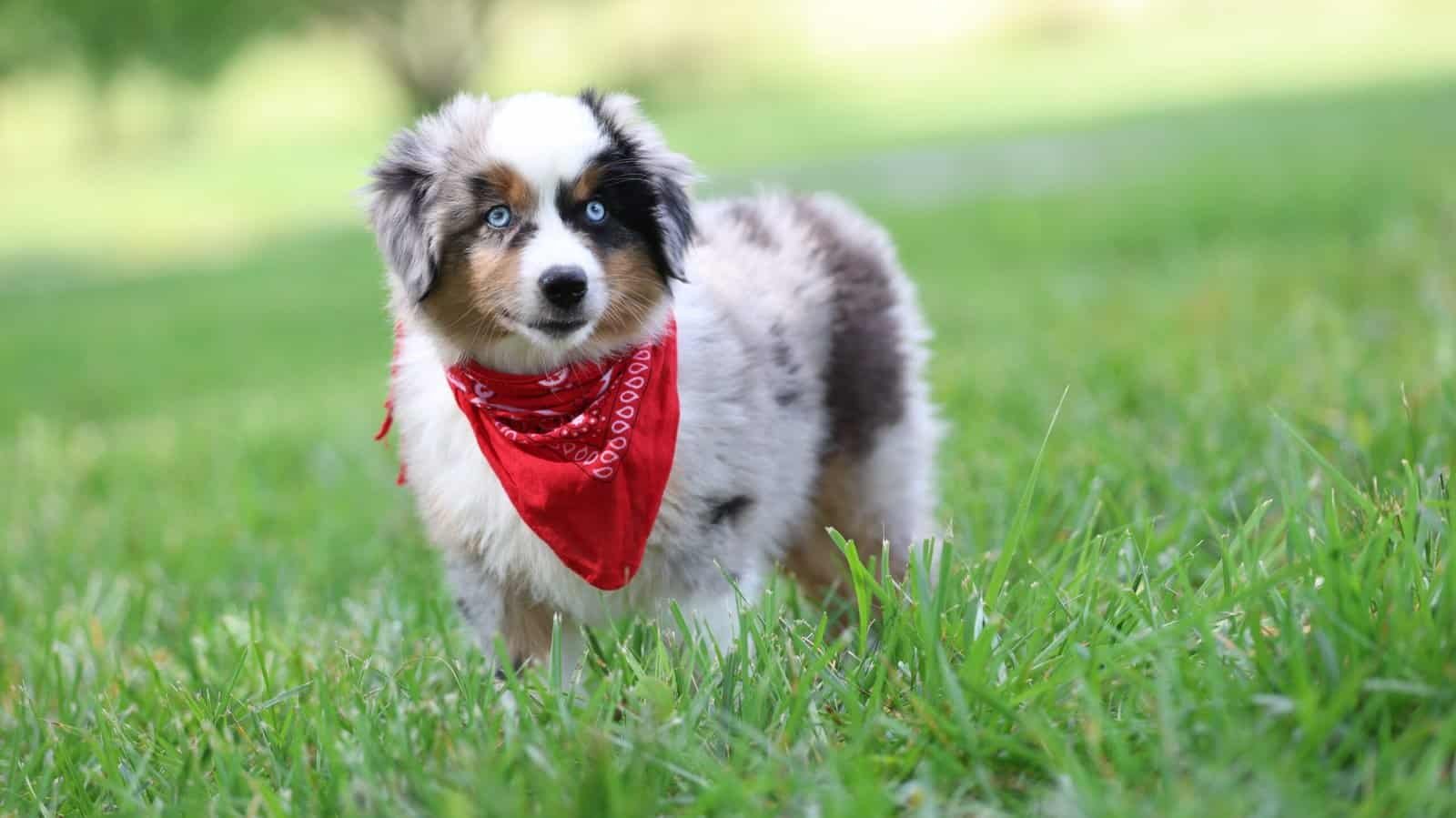
Paws Up
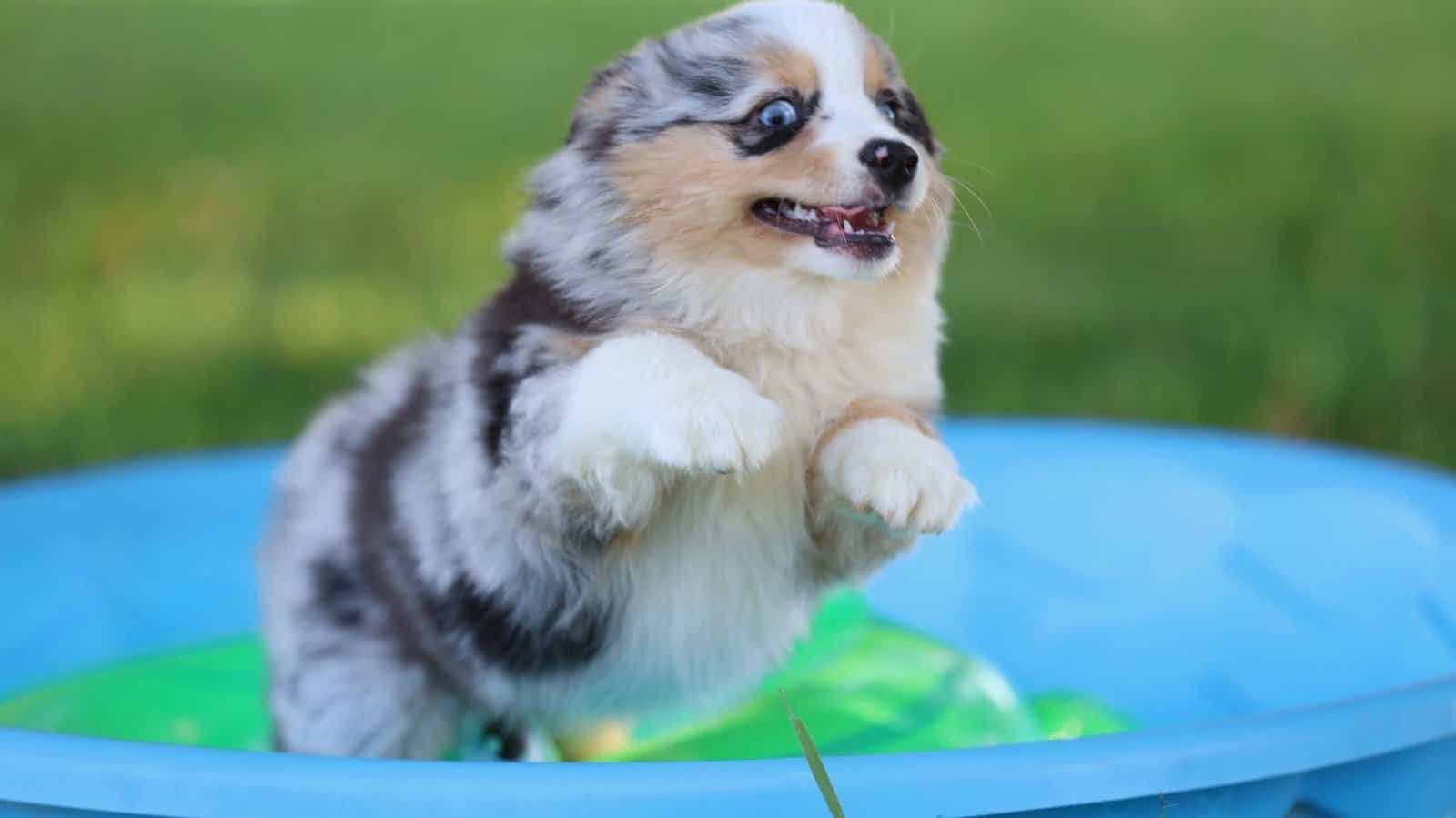
Teach your dog to put two front paws on a low safe object: a step, low platform, wobble cushion, or sturdy box. This builds confidence, body awareness, and handler focus without high impact.
- Keep surfaces low and stable for puppies.
- Reward calm stepping, not jumping.
- Useful foundation for agility later.
Three-Minute Trick Session
Pick one tiny behavior: spin, touch, down, back up, look at me, middle, or place. Work for three minutes, then stop while the dog still wants more. Short sessions are powerful for Mini Aussies.
- Use tiny treats.
- End before frustration starts.
- Do several short sessions per day.
The Best Enrichment Ends With Rest
The mistake many owners make is using enrichment to hype the dog up instead of helping the dog settle. A good game should have a beginning, a middle, and an end. Start the activity, let the dog work, then help them transition back into calm.
This is where crate time, place work, chewing, and quiet rest matter. If every activity ends with more excitement, your dog learns to stay switched on. If activities end with calm, your dog learns that work and rest go together.
Blue Buckaroo rule: Do not accidentally create a dog who needs constant entertainment. Use enrichment to build confidence, focus, and calm — not dependency on being entertained every minute.
Not All “Enrichment” Is Actually Helpful
Some activities look like enrichment but actually build frantic behavior. Endless ball throwing, chaotic dog park play, constant roughhousing, and overusing high-arousal games can create a dog who is physically exhausted but mentally wired.
Mini Aussies need work that teaches them how to think. That means problem solving, scent work, impulse control, handler focus, calm chewing, body awareness, and structured training. High-intensity exercise has its place, but it should not be the only tool in the box.
Best Enrichment Games by Age
Puppies and adults do not need the same intensity. Start simple. Build slowly. Protect growing joints. Most of the best enrichment for young puppies is low-impact and brain-heavy.
Safety + bonding
Use find it, gentle handling, name games, crate comfort, food scatters, and tiny training sessions. Keep everything short and positive.
Confidence + focus
Add muffin tin puzzles, paws up, short recall games, easy trick training, safe surfaces, and sniff walks. Avoid repetitive jumping and hard stops.
Impulse control
Work on place, wait, release, structured fetch, longer sniff walks, pattern games, and calm transitions after excitement.
Real jobs
Use nose work, agility foundations, hikes, obedience games, advanced tricks, disc foundations, and useful household jobs.
A Realistic Daily Enrichment Routine
You do not need a complicated schedule. You need a repeatable rhythm. This is enough for most Mini Aussies when combined with appropriate exercise, training, and household structure.
Food puzzle or find it
Use part of breakfast for a sniff game, scatter feeding, or puzzle toy. This starts the day with thinking instead of chaos.
Short training burst
Three to five minutes of touch, recall, place, leash manners, or trick work. Stop while the dog is still engaged.
Sniff walk + impulse control
Let the dog sniff, then practice wait, release, attention, and calm transitions. This burns mental and physical energy together.
Chew, place, or crate rest
End with calm. A safe chew, place work, or quiet crate time teaches your dog that the day does not end in frantic activity.
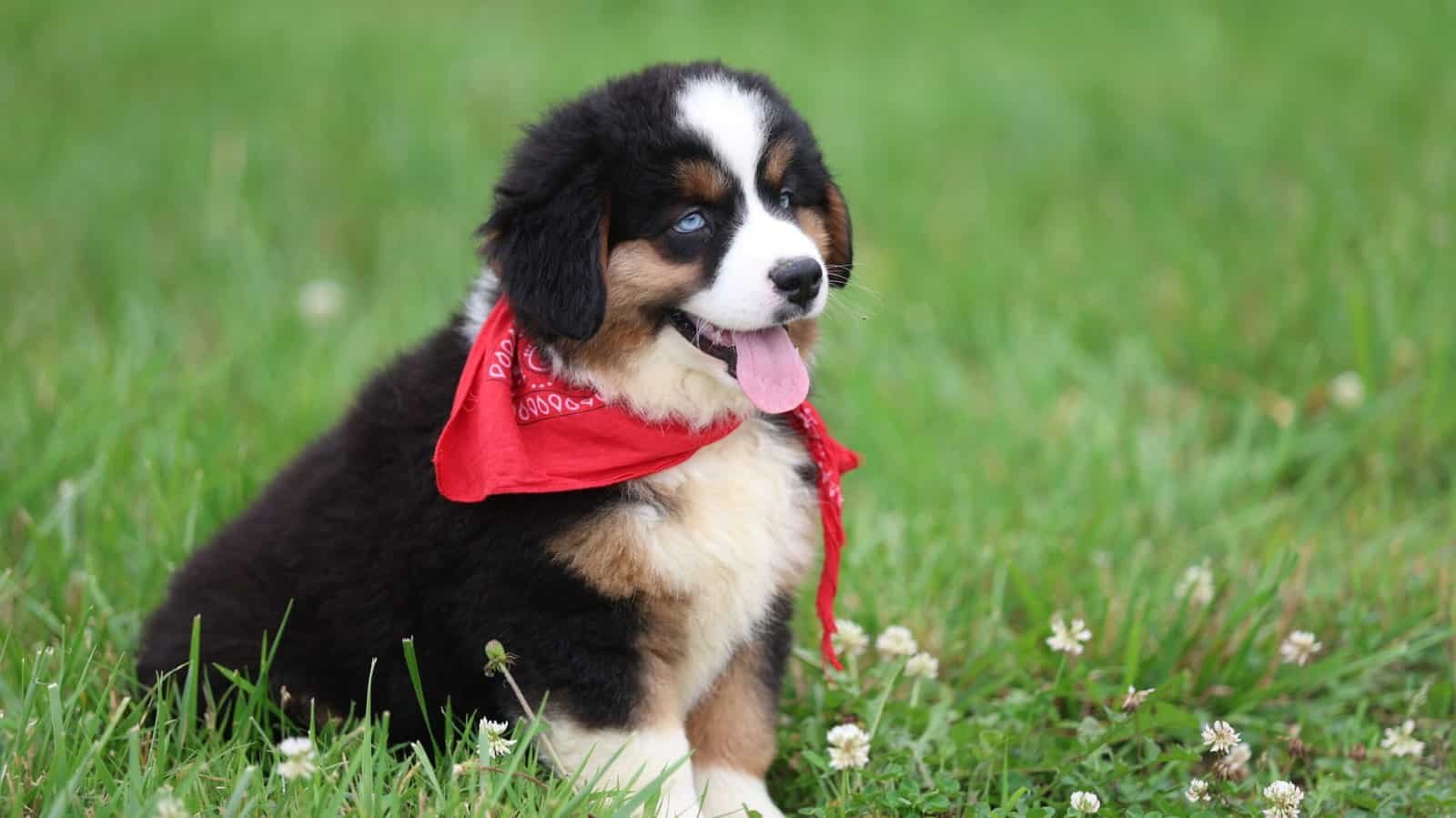
Enrichment Safety for Mini Aussie Puppies
Smart puppies can get themselves into trouble quickly. Supervise new games until you know how your dog handles them. Avoid anything that encourages repetitive jumping, hard twisting, or high impact before growth plates are mature.
Watch for frustration: Enrichment should challenge your dog, not overwhelm them. If your puppy is barking, pawing frantically, biting the puzzle, or shutting down, make the game easier. Confidence matters more than difficulty.
- Use food puzzles only under supervision until you know your dog will not chew pieces apart.
- Keep body-awareness games low and controlled for puppies.
- Avoid slippery floors during movement games.
- Use meal portions for treat-heavy games so you do not overfeed.
- End games while your dog is still successful, not after they are frustrated.
Mini Aussie Enrichment FAQs
How much enrichment does a Mini Aussie need?
Most Mini Aussies do well with two or three short enrichment sessions per day, plus regular exercise and training. Ten focused minutes can be more useful than an hour of unstructured chaos.
What is the best enrichment game for puppies?
Find it is usually the best starting point. It is simple, low-impact, calming, and teaches your puppy to use their nose instead of just their teeth and paws.
Can enrichment replace exercise?
No. Mini Aussies need both. Enrichment tires the brain, but the body still needs appropriate movement. The magic is combining physical activity with mental work.
Are puzzle toys enough?
Puzzle toys help, but they are not the whole plan. The best enrichment also includes training, scent work, impulse control, handler engagement, and calm decompression.
Why does my Mini Aussie get more hyper after games?
The game may be too high-arousal or it may not have a clear ending. Add structure, lower the intensity, and follow exciting games with place work, chewing, or crate rest.
Can I overdo enrichment?
Yes. Constant activity can teach a dog to expect entertainment all day. Use enrichment intentionally, then teach rest. Calm is part of the training plan.
Helpful Blue Buckaroo Resources
A Mini Aussie does best when their brain has a job.
Blue Buckaroo puppies are raised with early handling, confidence-building, and structured development from the start. The right home keeps building on that foundation.
Follow the Daily Adventures of Our Blue Buckaroo Puppies
See puppy videos, training moments, behind-the-scenes updates, and everyday life with our Mini Aussies.