Is a Mini Aussie Right For You?
Mini Aussies are remarkable dogs. They are also a lot of dog. This guide helps you decide whether the breed fits your actual life — not just the pretty version you imagined from puppy photos.
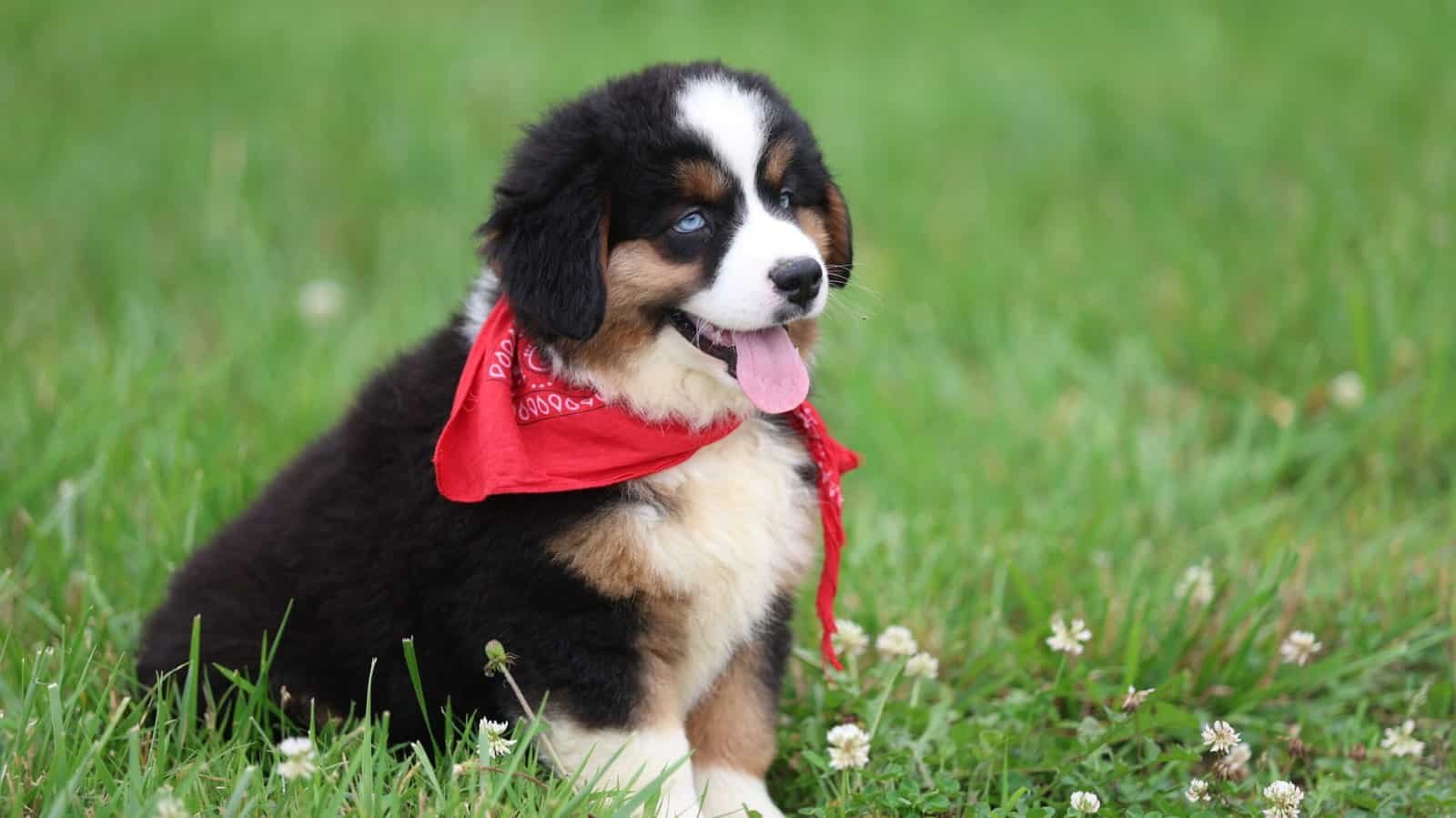
The right Mini Aussie is incredible. The wrong fit is hard on everyone.
This is not a low-effort breed. Mini Aussies thrive with people who enjoy structure, training, movement, and a dog that wants to be involved in daily life. If that sounds exciting, you may love this breed. If it sounds exhausting, listen to that.
What Mini Aussies Are Really Like
Mini Aussies are remarkable dogs. They’re also a lot of dog — and that’s something worth saying plainly before you fall in love with a photo. This guide is meant to help you figure out whether this breed fits your actual life, not just your ideal vision of it.
The Mini Australian Shepherd was built to work. Compact enough to travel, smart enough to figure things out on their own, and driven enough to never really stop trying. That combination is wonderful when it’s channeled well. It’s genuinely challenging when it isn’t.
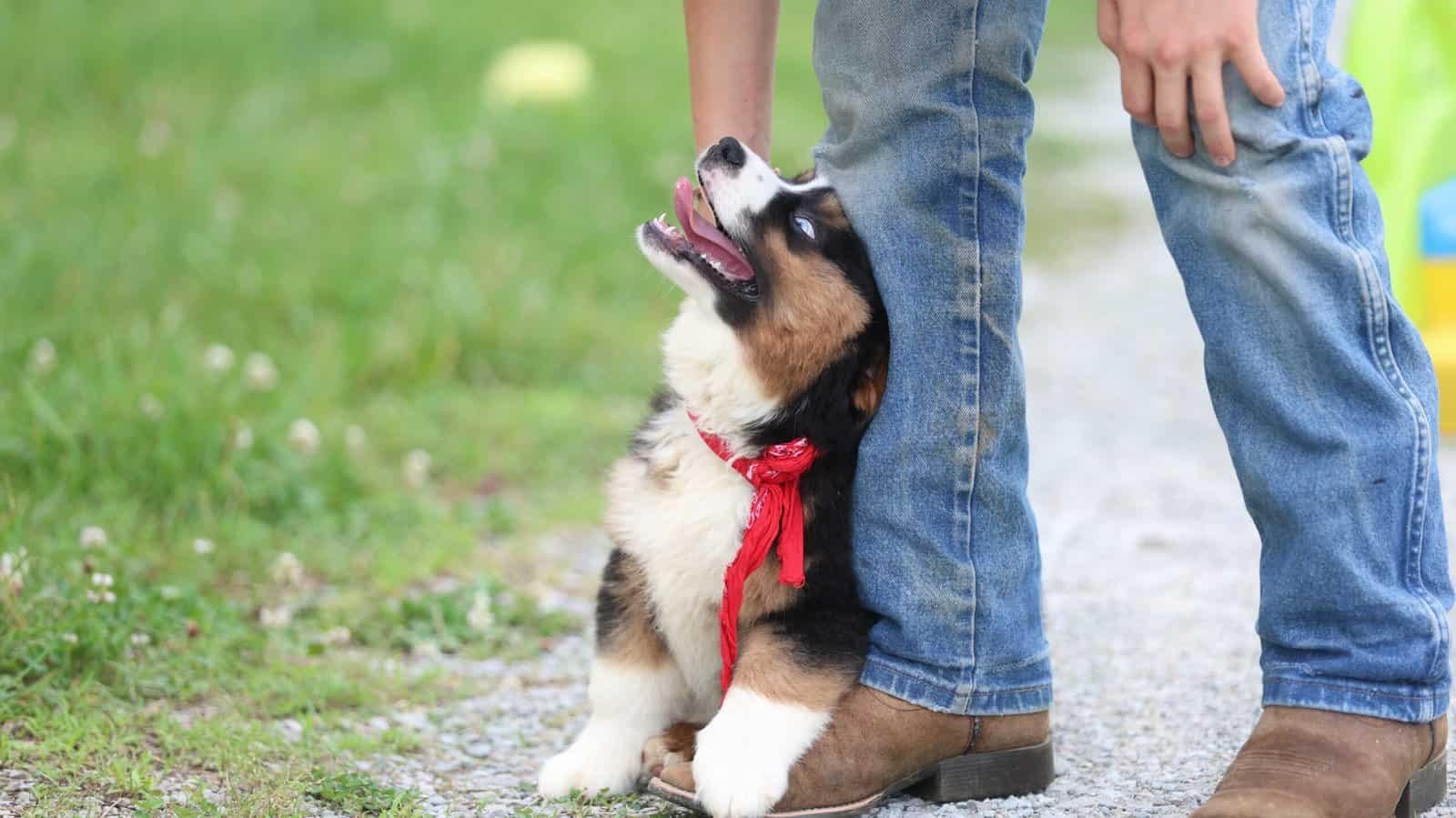
Mini Aussies are deeply people-oriented. They want to be where you are. They watch you closely, pick up on your mood, and take cues from how you carry yourself. That attentiveness makes them exceptionally easy to train — and means they notice every inconsistency in your expectations. We’ve been in this breed for 18+ years and have no intention of stopping. That probably tells you something.
The dog is rarely the problem. The structure, leadership, expectations, and fit are.
Mini Aussie Temperament
Intelligence
Exceptionally high. Picks up commands quickly, solves problems independently, and remembers everything. Works for you when you’re consistent. Works against you when you aren’t.
Energy Level
High, especially through the first two years. Needs real exercise plus mental engagement — not just a yard. Mellows into a very manageable adult around 18 months to 2 years.
Loyalty
Forms strong bonds with their family. Often attaches closely to one or two primary people. Naturally reserved with strangers — not unfriendly, just selective.
Trainability
Outstanding. Motivated by praise, food, and play. Thrives with positive reinforcement and a handler who is clear and consistent. These dogs make you look good.
Herding Instinct
Present in most dogs. May try to herd children, other pets, or moving objects. Manageable with early training — but worth understanding before you bring one home.
Adaptability
Good when exercise and mental needs are consistently met. Can live in smaller spaces if those needs are addressed. Does not do well when needs are chronically ignored.
Homes Where Mini Aussies Thrive — And Homes That May Struggle
Good Fit
- Active individuals or families
- People who enjoy training and working with dogs
- Homes with a yard or easy outdoor access
- Families with kids old enough to respect a dog’s space
- People who want a dog involved in daily life
- Ranch, farm, or active lifestyle households
- Anyone wanting a highly responsive, bonded companion
May Struggle
- Households where the dog is alone most of the day
- Very sedentary or low-activity lifestyles
- First-time owners not prepared for active training
- Families looking for a calm, low-demand breed
- Homes with very young kids and zero training margin
- Anyone wanting a mostly independent dog
- Small apartments with no outdoor access or exercise plan
The families that struggle most with Mini Aussies usually share one thing in common: they underestimated the time investment. Not the money — the time.
Training sessions, daily exercise, mental enrichment, socialization in the early months — this adds up. It’s actually one of the reasons Aussie owners bond so deeply with their dogs. But if your life doesn’t have room for a dog that requires active involvement, this probably isn’t the right breed for this season of life. That’s not a criticism — it’s just honest.
Worth knowing: Mini Aussies that end up in rescue are almost never there because of a bad dog. They’re there because of a mismatch between the dog’s needs and the family’s reality. A little honest self-assessment upfront saves everyone — including the dog — a lot of heartache.
Questions to Ask Yourself Before Getting a Puppy
Answer these honestly and they’ll tell you whether you’re ready for this breed right now.
Can you commit to 45–90 minutes of structured exercise per day for the first two years?
Are you willing to attend a puppy class or actively work through basic obedience training yourself?
Will your dog be alone for more than 6–8 hours a day on a regular basis?
Do you have the bandwidth to manage an energetic adolescent for the first 12–18 months?
Are the other people in your household genuinely on board — and do they understand what this breed requires?
Are you getting this dog because you actually want this kind of dog — or primarily because they’re cute?
A Mini Aussie raised in the right environment with structure and engagement becomes an extraordinary companion. One placed in a mismatched situation ends up in rescue. We take that seriously — which is why we ask questions on our end too.
What Our Puppies Are Known For
Not every Mini Aussie is the same — and not every breeder is selecting toward the same thing. Genetics set the ceiling. Environment and handling determine where your dog actually lands. Here’s what we consistently see in Blue Buckaroo dogs:
- Highly intuitive and people-focused — they want to be with you, not just near you
- Calm in the home when their needs are met — not constantly demanding stimulation
- Eager to train and genuinely responsive — they make training feel easy
- Adaptable to both active and family-centered lifestyles
Mini Aussie Fit FAQs
Are Mini Aussies good family dogs?
Yes, in the right home. They are loyal, smart, and deeply bonded, but they need training, exercise, and structure. Families with realistic expectations usually do very well.
Are Mini Aussies good for first-time dog owners?
They can be, but only for owners who are ready to learn and stay consistent. This is not the easiest starter breed if someone wants low effort or low structure.
Can Mini Aussies live in apartments?
Yes, if their daily exercise and mental work are truly met. A yard is helpful, but it does not replace training, walks, play, and engagement.
Do Mini Aussies need a lot of exercise?
Yes. Most need 45–90 minutes of structured activity daily, especially during the first two years. Mental exercise matters just as much as physical exercise.
Are Mini Aussies clingy?
They are people-focused and often bond deeply with one or two primary people. That loyalty is part of the magic, but it also means they need healthy independence skills.
What kind of owner does best with a Mini Aussie?
An owner who enjoys training, movement, routines, and a dog that wants to be part of daily life. Passive owners usually struggle more with this breed.
Helpful Blue Buckaroo Resources
We would rather answer the hard questions before pickup day.
Still have questions? Good. We’d rather you ask them now than figure it out after pickup. The right match matters more than a quick yes.
Follow the Daily Adventures of Our Blue Buckaroo Puppies
See puppy videos, training moments, behind-the-scenes updates, and everyday life with our Mini Aussies.