
New Puppy Start
Bringing Puppy Home
Preparing for an Easy Transition. Start with structure. Build confidence. Raise a capable dog from day one.
Before your puppy comes home – Supply list
Before pickup day arrives, it’s helpful to have a few basics ready. You don’t need every puppy gadget under the sun, but having the essentials set up makes those first few days much smoother.
Get a Snuggle puppy

We highly recommend this neat little snuggle buddy for your first few nights – our families that use this have virtually no crying or whining when crate training those first few nights home 🙂
Order your T L C Whole Life Puppy Food
We recommend ordering the same TLC Whole Life Puppy Food that your puppy has been eating here before pickup day. Keeping their food consistent during the transition home helps prevent stomach upset and makes those first few days much easier on both you and your puppy. Moving to a new home is already a big adjustment, so keeping their diet the same allows their digestive system to stay settled while they get used to their new environment. If you’d like to understand more about why we feed this food in our program, you can read more about our approach to nutrition below.

We also HIGHLY RECOMMEND adding these holistic products to your puppy’s food



Bringing Puppy Home
Whoohooo! The day is here.
Bringing your new puppy home is so many emotions – anticipation, excitement, nervousness, and joy. You’ve waited, planned, imagined it — and now they’re actually riding home with you.
It is super important to settle your enthusiasm “just a little bit” so those first few days stay calm and low stress.
As much as we want to celebrate and show them everything at once, your puppy doesn’t need a big event. They need calm and clarity. They need consistency. They don’t need lots of visitors or trips out anywhere those first few days.
Keep their world small at first.
Keep the routine predictable and develop a consistent schedule.
And of course…. give lots of belly rubs and enjoy the sweet puppy breath!
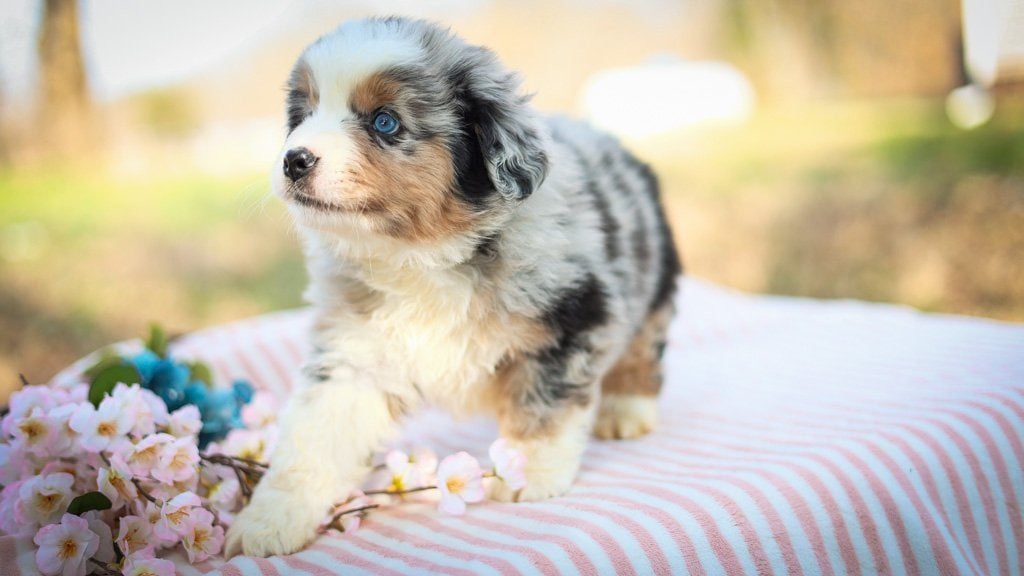
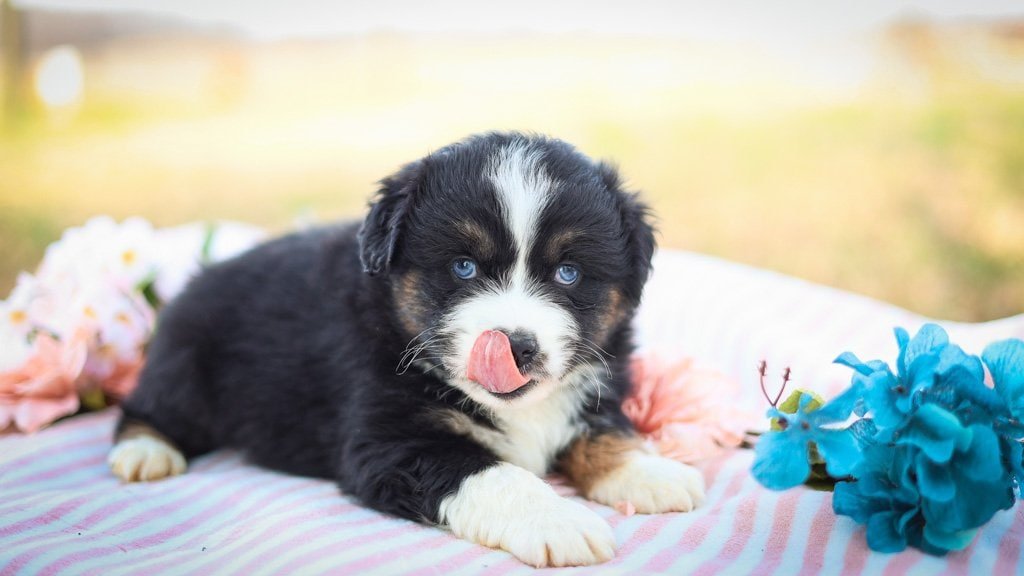
FIrst Night With Your Puppy
That first night can feel a bit intimidating – but don’t worry – you’ve got this!
Your puppy has just left their littermates and the only environment they’ve ever known. So if they cry a little in the crate, don’t sweat it – they’re adjusting – just don’t reward crying by taking them out of the crate. If you have time during the day, do some crate games and short little stints in the crate.
In the evening, limit food and water intake past 7pm and make sure they have pottied right before bedtime. Take them out to potty right before bed. Bring them back in calmly. Into the crate. Lights low. It is best to place the crate beside your bed to where the puppy can hear and smell you. Place your snuggle puppy with the heartbeat in the crate with them and they will eventually settle.
If you need to take them out once in the night, make sure to make it all business – out to potty and straight back in crate – no play time/ cuddle time.
The crate isn’t a punishment — it’s structure. And structure builds security.
Potty Training
The good news is your puppy is already off to a great start. Our puppies are raised using a doggy door and are used to leaving their sleeping area to go outside to potty. They naturally keep their bed and crate space clean and already understand the idea of going through an obstacle (the doggy door) to reach the potty area. When they come home, the goal is simply helping them translate that habit to your house.
For the first few weeks, limit freedom and keep a close eye on them whenever they’re awake. If you can’t supervise, they should either be in their crate or in a small managed space like a puppy pen or gated area. We strongly recommend scheduled crate naps — usually a couple of hours in the morning and again in the afternoon — which helps prevent the overtired, bitey chaos stage and keeps potty accidents to a minimum.
While they are awake, take them out frequently. A good rule of thumb is about every hour, and always right after eating, waking up from a nap, or after a good play session. Most puppies will need to poop about 5–15 minutes after eating, so that’s an easy time to catch success.
When you go outside, head to the same potty area each time and take your puppy out on a leash. That way they don’t wander off to play instead of doing their business. Stand still like a tree and give them a moment. Some puppies will go more than once, so give them time before heading back in.
As they start to go, quietly say your potty word — something simple like “go potty” or “hurry up.” Say it calmly while they’re going so they begin to associate the words with the action. When they finish, give plenty of praise and, if you’d like, a small treat. Clear communication and good timing make this process go much faster.
With consistency and supervision, most puppies settle into the routine quickly. You’re not teaching them from scratch — you’re just helping them connect the dots in a new environment.
Helpful Guides for Our New Puppy Families
These guides go a little deeper into some of the topics above and can be helpful as you settle into life with your new puppy.
Housebreaking Your Puppy
A step-by-step look at establishing a consistent potty routine and helping your puppy understand where and when to go.
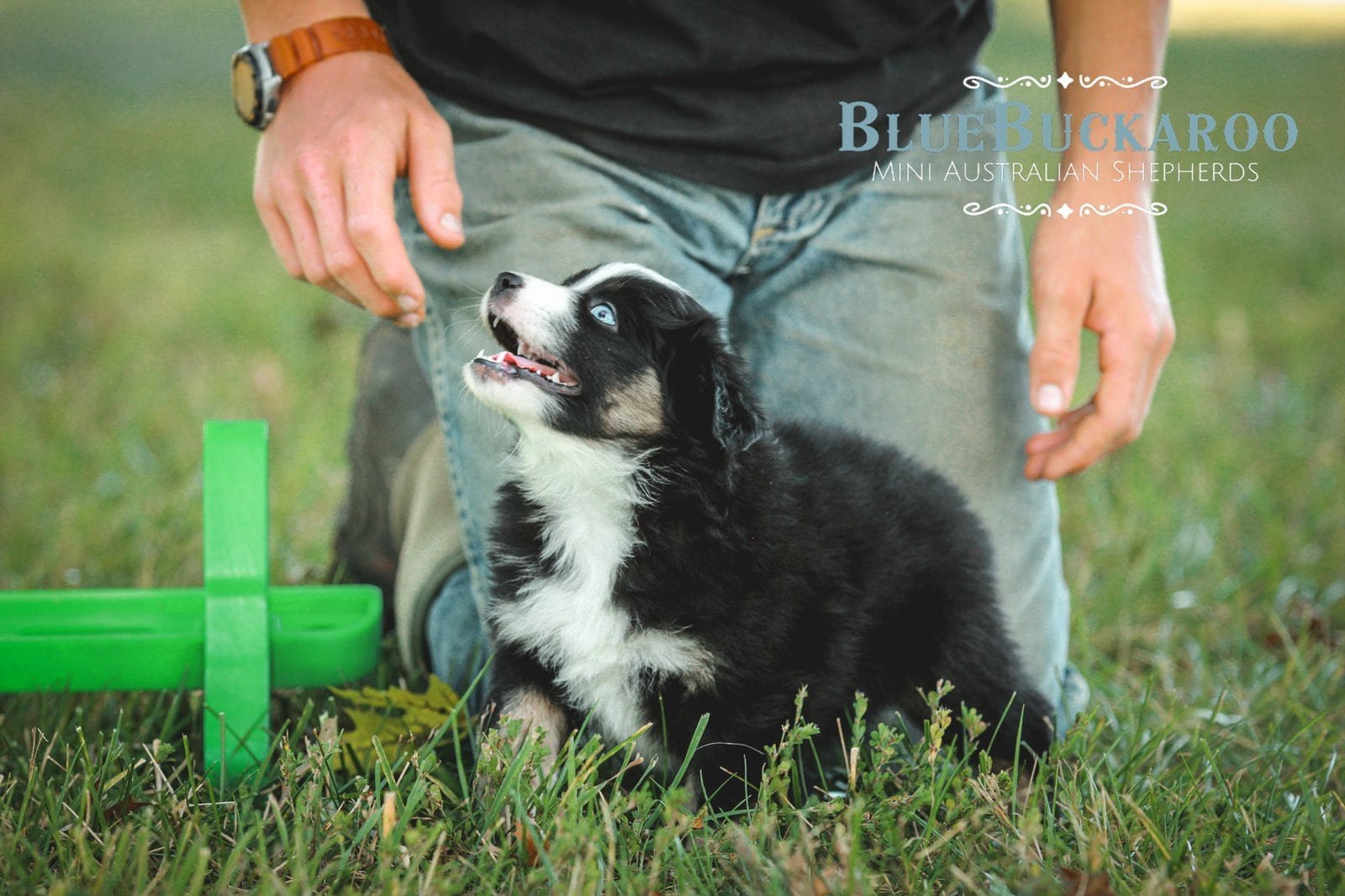
Puppy Training Resources
Some of our favorite videos and tools to help you get started with training, structure, and building a well-mannered dog.

Do’s and Don’ts of Puppy Ownership
A few simple things that make the early weeks smoother for both you and your puppy.
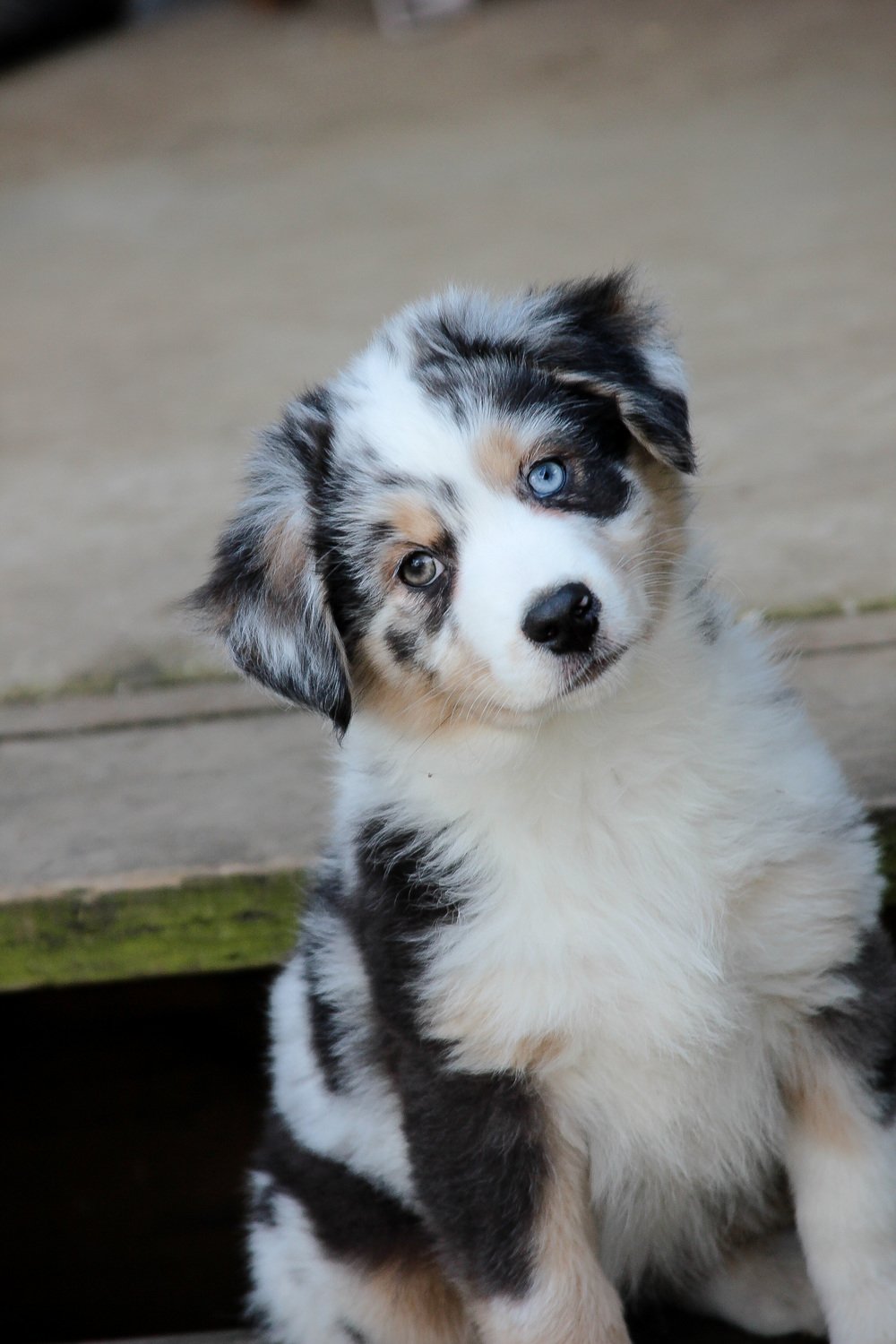
Pickup & Travel
Located in Tennessee, Blue Buckaroo Mini Aussies proudly serves puppy families across the Southeast and nationwide. We do not ship puppies. We require our clients to come pick their puppy up in person. Many out-of-state families fly into Nashville, TN (or Huntsville, AL) and fly home with their puppy in cabin.
A Little Extra Support 💛
One of the things our puppy families appreciate most is that they’re never navigating the puppy stage alone. When you bring home a Blue Buckaroo puppy, you’re part of our extended puppy family. We’re always happy to answer questions, share guidance, and help you through those early stages of training and adjustment.
Our puppy families also receive access to additional resources and guidance inside our private member area.
Meet Your Future Sidekick 🐾
If you haven’t already, feel free to explore our available puppies and learn more about the dams and sires behind each litter. Each pairing is carefully planned with temperament, structure, and real-life companionship in mind.