The myth worth busting first
Most people ask for a “sweet girl.” But that assumption is not always accurate.
Many families assume females are gentler, easier, and more docile while males are dominant, difficult, or prone to marking. In real life, that is far too simple.
Females can be more independent and socially particular. Males are often more openly affectionate and eager to please. And once a puppy is spayed or neutered, many hormone-driven differences become much smaller.
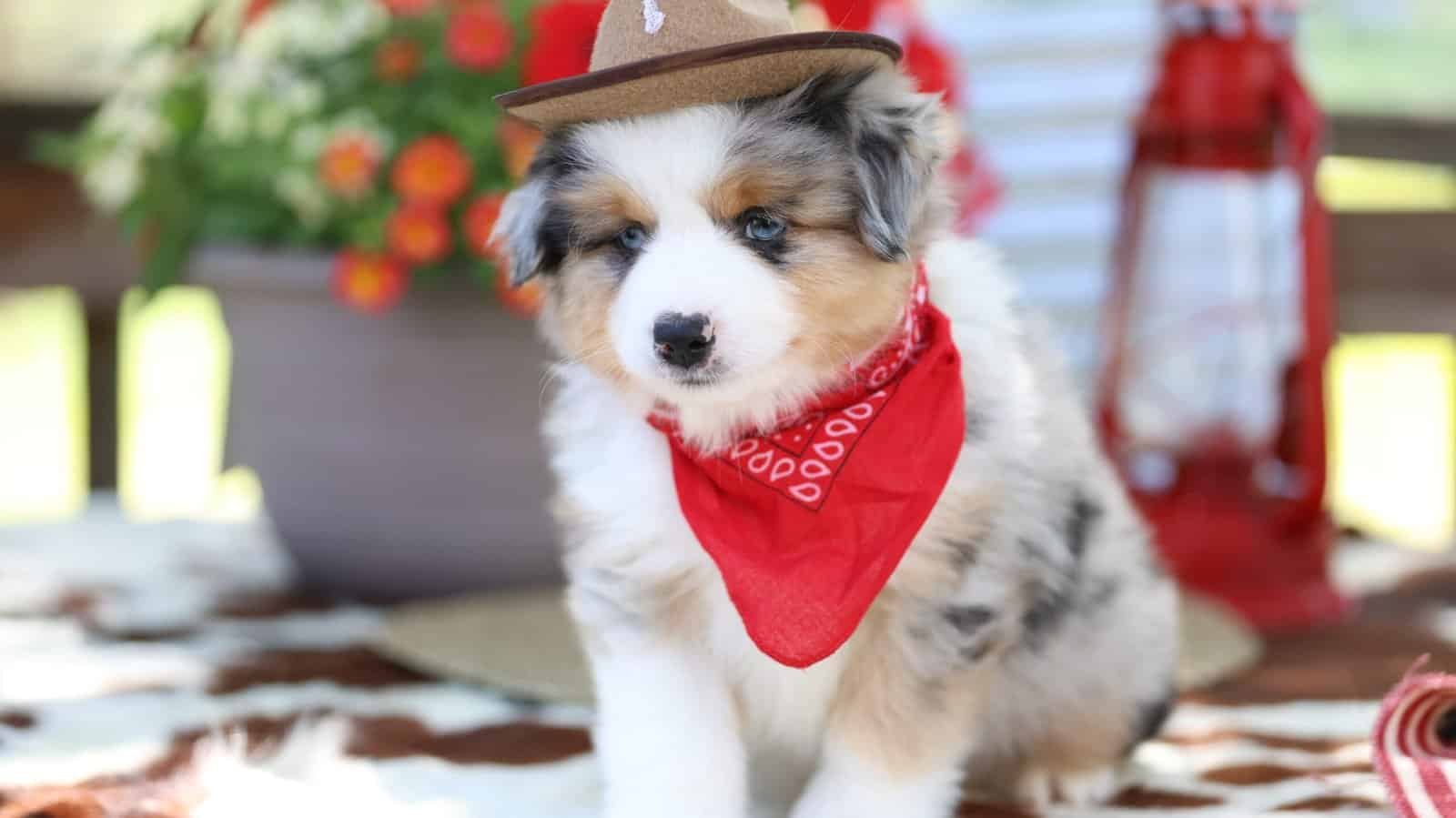
Female Mini Aussies
What Female Mini Aussies Are Really Like
Females are often affectionate, loyal, and deeply bonded — but many are also more independent. They may be more selective about when they want attention and who they choose to attach themselves to.
In dog social structure, females often help establish and enforce order. That means intact females can sometimes show more “alpha” behaviors than people expect.
Most serious inter-dog conflict also tends to happen between two females, so if you already have a female dog at home, adding another female deserves more thought and management.
Female Mini Aussie Tendencies
Male Mini Aussies
What Male Mini Aussies Are Really Like
Males are often more openly affectionate, more eager to be near you, and more consistently attentive. The phrase we hear often from families with our boys is simple: velcro dog.
They are usually playful, silly, food-motivated, and eager to please. That can make training fun and rewarding, especially when sessions are short and engaging.
Intact males may mark, lift their leg, or become more interested in roaming. Those behaviors are largely hormone-driven and are typically reduced after neutering.
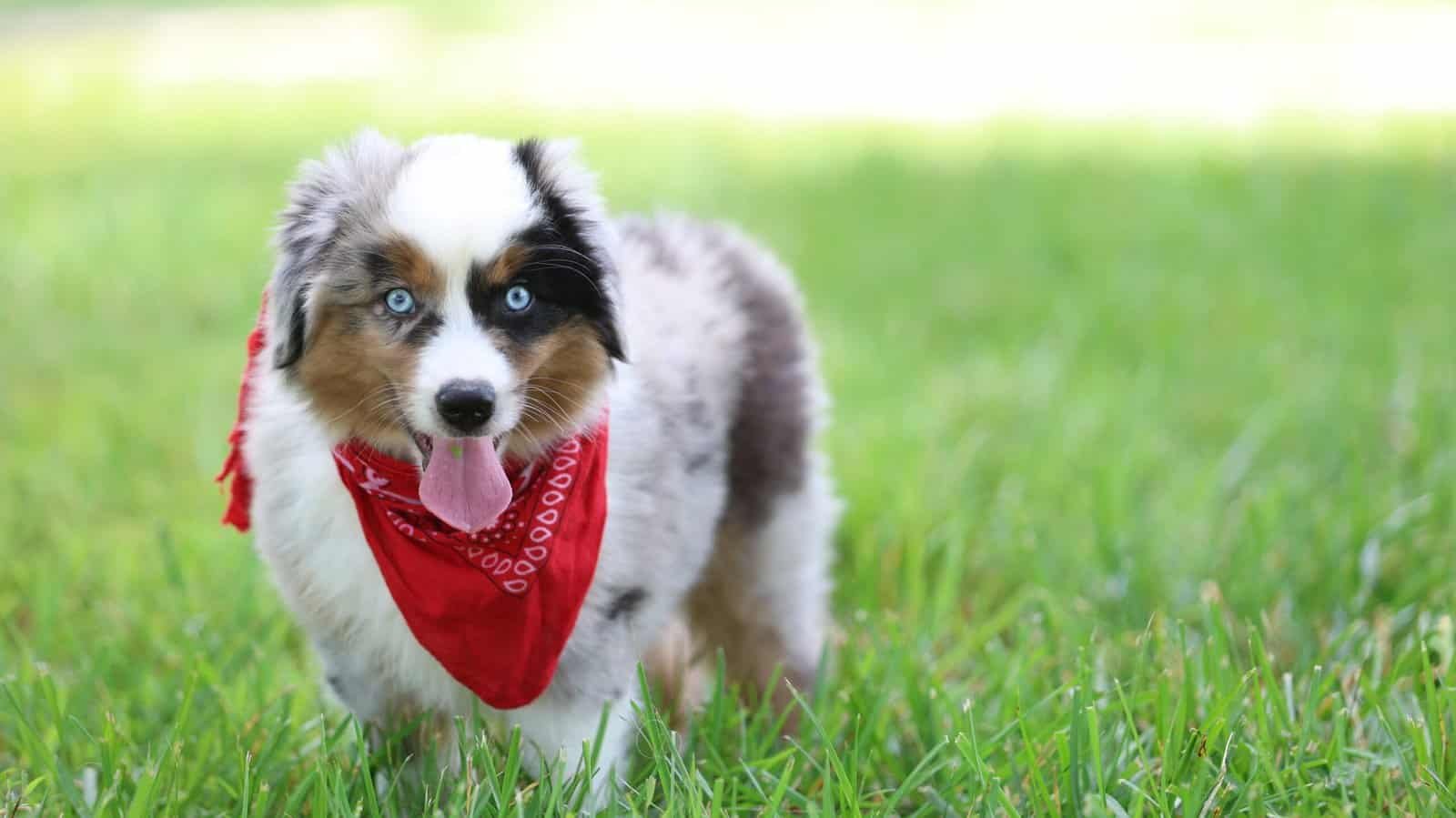
Male Mini Aussie Tendencies
Side By Side
Male vs Female Mini Aussie Comparison
| Category | Male | Female |
|---|---|---|
| Affection Style | Openly and constantly affectionate | Affectionate, but often on her own terms |
| Trainability | Eager to please, food driven | Smart and focused, but more independent |
| Playfulness | Often playful and silly long-term | Often matures and settles earlier |
| With Other Dogs | Often easier with female dogs | Can be territorial with other females |
| Intact Behaviors | Marking, leg lifting, roaming | Heat cycles, mood shifts, social rank behavior |
| Size | Slight tendency to run larger | Slight tendency to run smaller |
The Real Answer: Temperament Matters More Than Sex
Once your puppy is spayed or neutered, many male/female differences become much smaller. The marking, heat cycles, moodiness, and hormone-driven behaviors are not the whole dog.
What matters more is the puppy’s individual personality, genetics, early handling, socialization, confidence, and the structure you provide at home. A well-bred, well-raised Mini Aussie can be wonderful whether male or female.
Which One Is Right For Your Home?
Consider a Male If…
- You want a very affectionate, people-focused dog
- You already have a female dog at home
- You enjoy playful, silly puppy energy
- You want an enthusiastic companion for kids
- You like a dog who checks in often and wants to be near you
Consider a Female If…
- You appreciate a more independent personality
- You already have a male dog at home
- You want a dog who may mature earlier
- You like affection that feels a little more selective
- You prefer a slightly smaller dog on average
Our Honest Take
After 18 Years, We Would Rather Match The Puppy Than Sell You On A Gender
We’ve had families fall deeply in love with boys after swearing they only wanted a girl. We’ve also had families expect a male and go home knowing a little female was the perfect fit.
The right puppy usually makes itself known. Tell us about your home, your lifestyle, your existing pets, your children, and what kind of companion you’re hoping for. That matters more than picking pink or blue.
Common Questions
Male vs Female Mini Aussie FAQ
Are female Mini Aussies more affectionate than males?
Not usually. Males are often more openly affectionate. Females can be deeply loving too, but many are more selective and independent.
Are male Mini Aussies harder to train?
No. Males are often very fun to train because they are food-motivated and eager to please. They may be a little more distracted by play and activity.
Will a male Mini Aussie mark in the house?
Intact males may mark. Neutered males, especially those neutered before the habit is established, typically do not make indoor marking a major issue.
Can two female dogs live together?
Yes, but it can require more management than a male-female pairing. Two females are more likely to compete for social rank.
Should I choose based on personality instead?
Yes. The individual puppy’s temperament, confidence, and fit for your household matter more than sex alone.
Continue Your Mini Aussie Research
Still Deciding If A Mini Aussie Is Right For You?
These guides will help you understand the breed, the lifestyle, and what kind of home helps a Mini Aussie thrive.
Mini Aussie Breed Guide
Learn the temperament, instincts, and traits that make this breed so special.
Apartment Living
Can a Mini Aussie live happily in an apartment? Yes, with the right structure.
Working Full Time
How to raise a Mini Aussie when you have a real work schedule and a real life.
Planned Litters
See upcoming Blue Buckaroo litters and learn what availability may look like.
Start Your Puppy Journey
Looking For A Mini Aussie Raised With Purpose?
At Blue Buckaroo, we raise Mini Aussies for temperament, confidence, companionship, and real family life — not just good photos.
View Available Puppies View Planned Litters Ask A QuestionPuppy Training Resources
Raise A Puppy Who Thinks, Settles, And Learns
Mini Aussies are smart. That’s the gift. The goal is to shape that intelligence before it turns into chaos.
Housebreaking
A clear plan for potty training without confusion, frustration, or mixed signals.
Enrichment Games
Simple ways to satisfy your Mini Aussie’s brain before behavior problems start.
Puppy Kindergarten
See how our puppies begin crate training, manners, confidence, and problem-solving.
Breed Guide
Understand the instincts behind your puppy’s behavior so you can guide them well.
Follow the Daily Adventures of Our Blue Buckaroo Puppies
See puppy videos, training moments, behind-the-scenes updates, and everyday life with our Mini Aussies.