Toy Aussie vs Mini Aussie: What Families Need To Know Before Choosing
A Toy Aussie should be more than a tiny dog with Aussie coloring. The real question is how that size was created — and whether the dog still has true Australian Shepherd structure, temperament, health, and type.
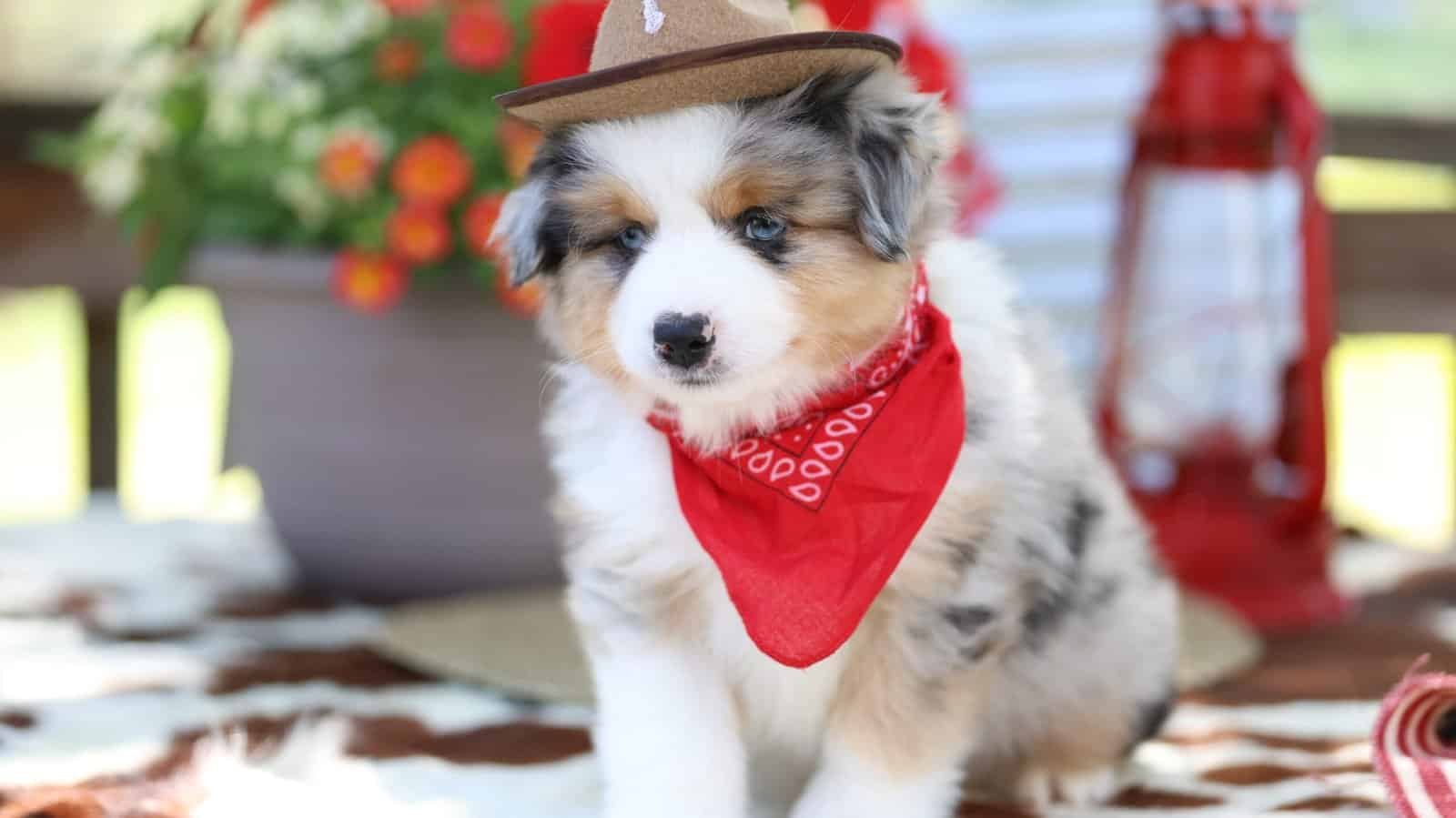
Size is not the problem. Shortcuts are.
A well-bred Toy Aussie should feel like an Australian Shepherd in a smaller frame. Same intelligence. Same loyalty. Same trainability. Same working-dog brain. What matters is whether the breeder protected type, structure, temperament, and bloodline integrity while bringing size down.
If you’ve been searching for a Toy Aussie and wondering how it compares to a Mini Aussie — or whether a Toy is even a real thing — you’re asking exactly the right question. The answer matters more than most breeders will tell you.
A Toy Aussie should be a true Aussie in a smaller package — not an “Aussie-looking” small dog of uncertain character.
Are Toy Aussies and Mini Aussies the Same Dog?
They come from the same foundation — the Australian Shepherd — but they are not always the same quality of dog. That’s the honest answer, and it’s worth understanding before you commit to a puppy.
The Mini Australian Shepherd was developed by selectively breeding smaller Australian Shepherds while maintaining the breed’s structure, temperament, and working ability. A true Toy Aussie should follow the same principle — just smaller. When done correctly, a Toy Aussie is simply a mini Australian Shepherd in an even more compact package. Same intelligence, same loyalty, same drive, same correct Aussie type. Just 13–15 lbs instead of 20–40.
When it’s not done correctly, you end up with something that looks like a small Aussie on the outside but isn’t fully an Aussie on the inside. And that’s where things get complicated.
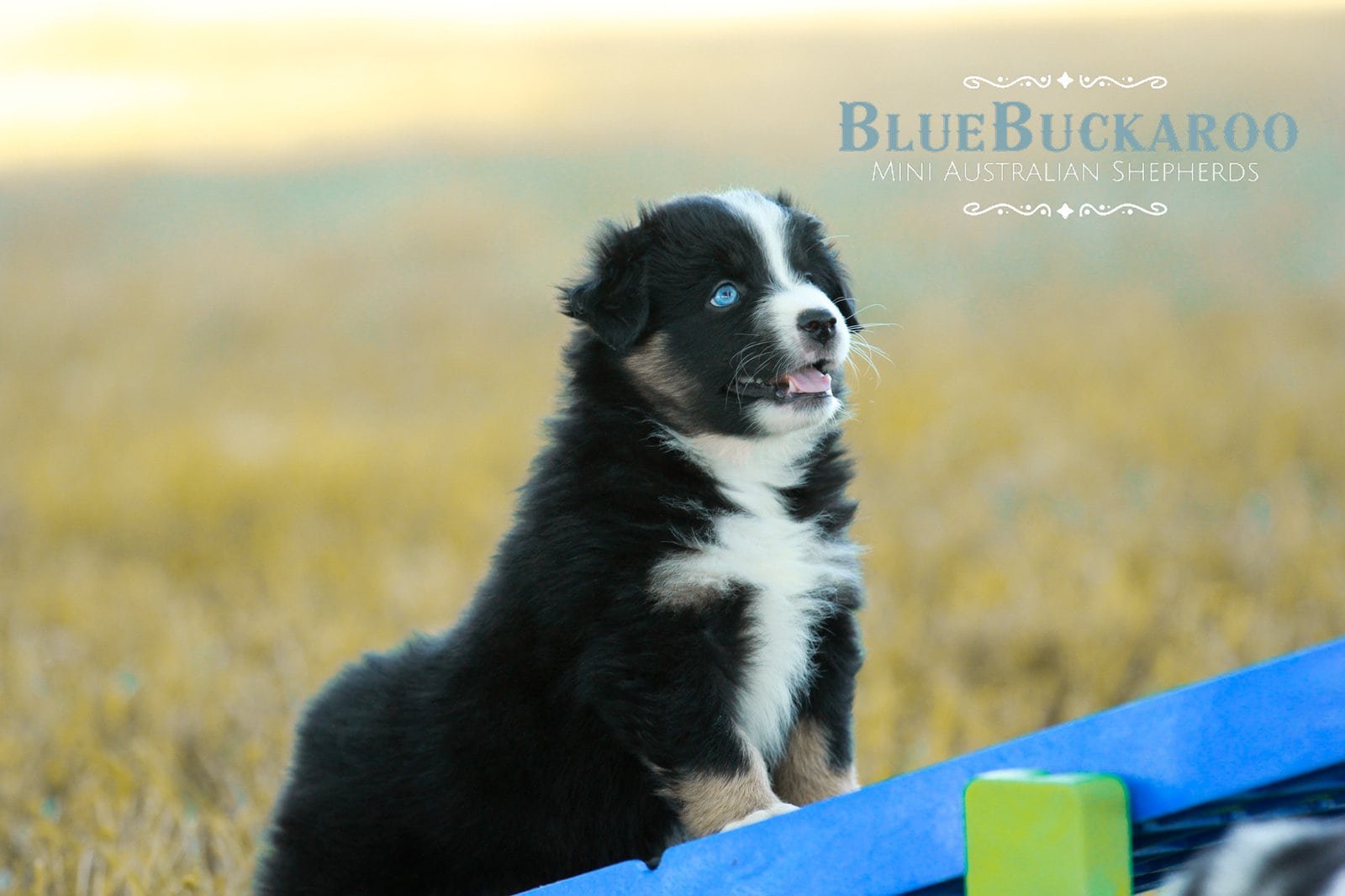
How Size Is Achieved Matters Enormously
Getting a dog smaller isn’t as simple as just breeding the smallest dogs together. If you selectively breed only for tiny size without regard for structure, health, or temperament, you can quickly produce dogs with exaggerated features, fragile builds, anxiety issues, and genetic problems that compound over generations.
The other route some breeders have taken — sometimes intentionally, sometimes unknowingly — is introducing other small breeds into the line to achieve a tinier frame faster. Papillon, Chihuahua, and other toy breeds have found their way into some Toy Aussie lines over the years. The resulting dog may look like a small Aussie. It may even have good coloring and blue eyes. But the temperament, structure, and working character of the Australian Shepherd have been diluted.
The tricky part: A breeder working with these lines today may have no idea this happened three or four generations back. They genuinely believe they’re breeding pure Aussies. The only way to know is to understand the history of the lines — which requires years in the breed and knowledge of who was breeding what, when.
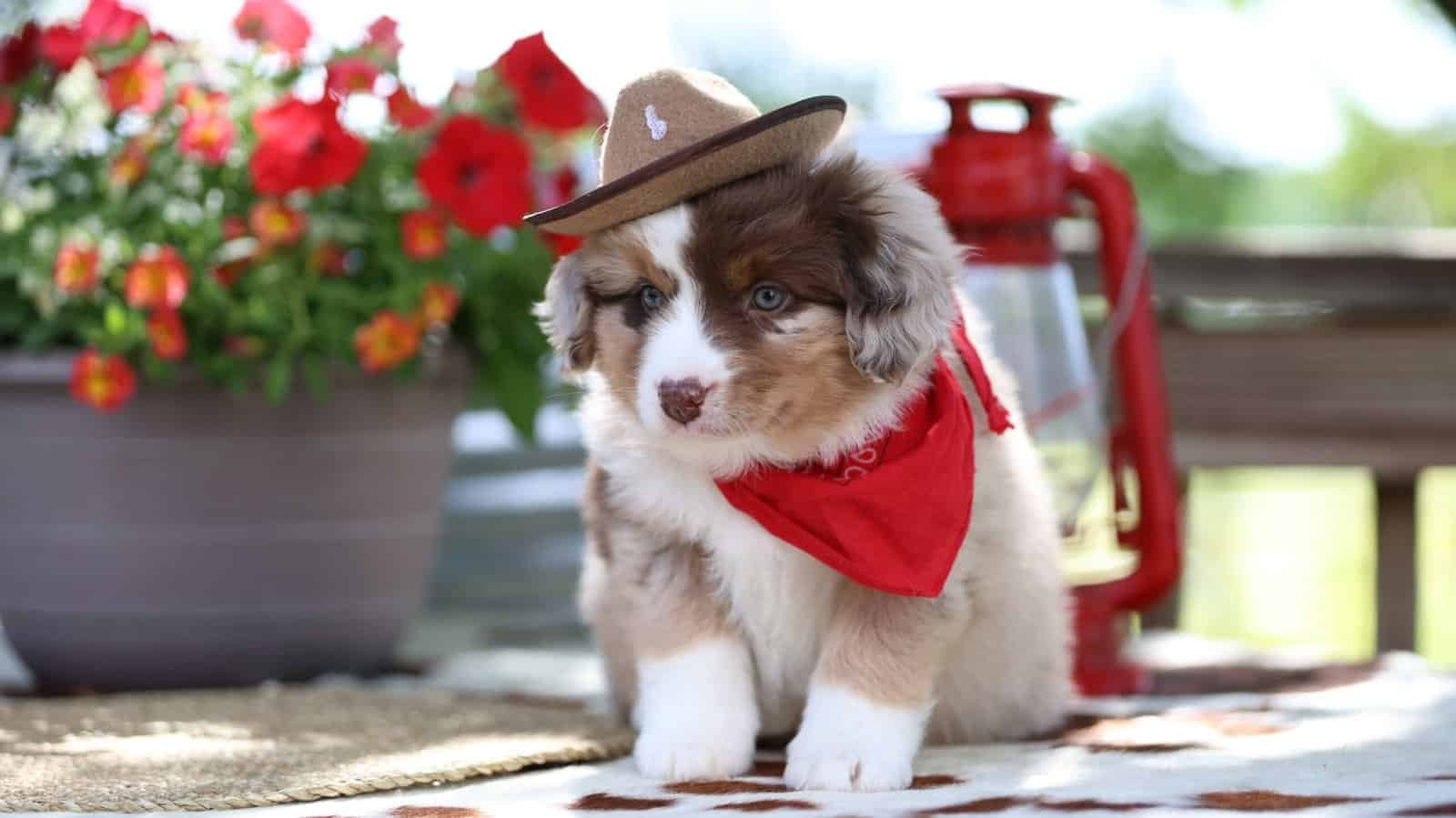
What “Bred Down From Standard Lines” Actually Means
At Blue Buckaroo, our toy-sized Aussies come from standard Australian Shepherd lines bred selectively smaller over generations — never through outcrossing to unrelated breeds. This approach takes longer. It requires patience, careful selection, and a deep knowledge of bloodlines going back decades. But the result is a dog that is genuinely, fully an Australian Shepherd.
That means correct Aussie structure — good bone, proper angulation, a sound topline. It means true Aussie temperament — intelligent, loyal, people-focused, trainable. And it means the kind of longevity and health that comes from a gene pool that hasn’t been compromised.
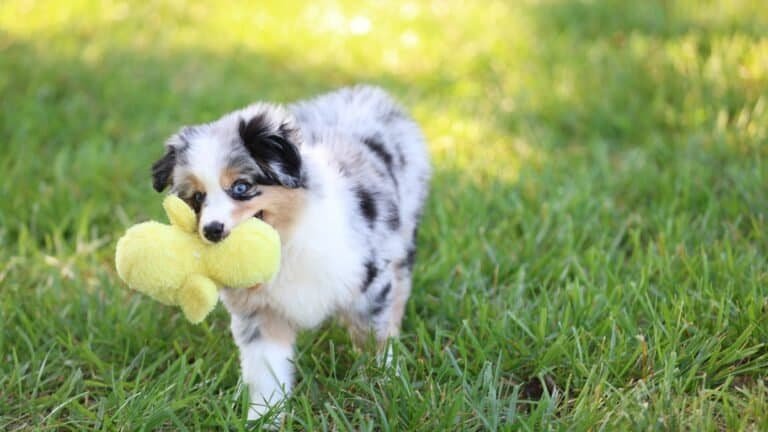
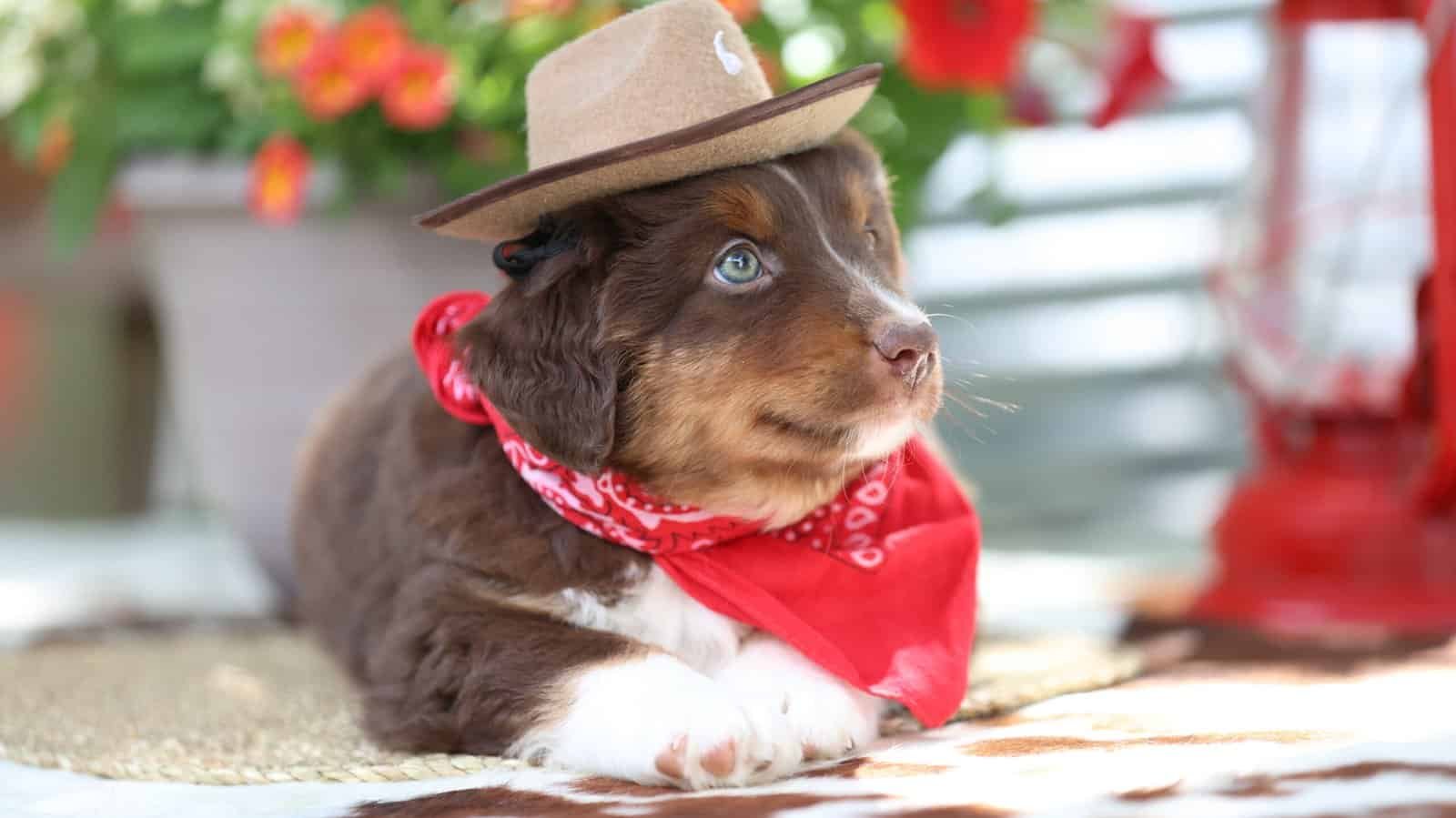
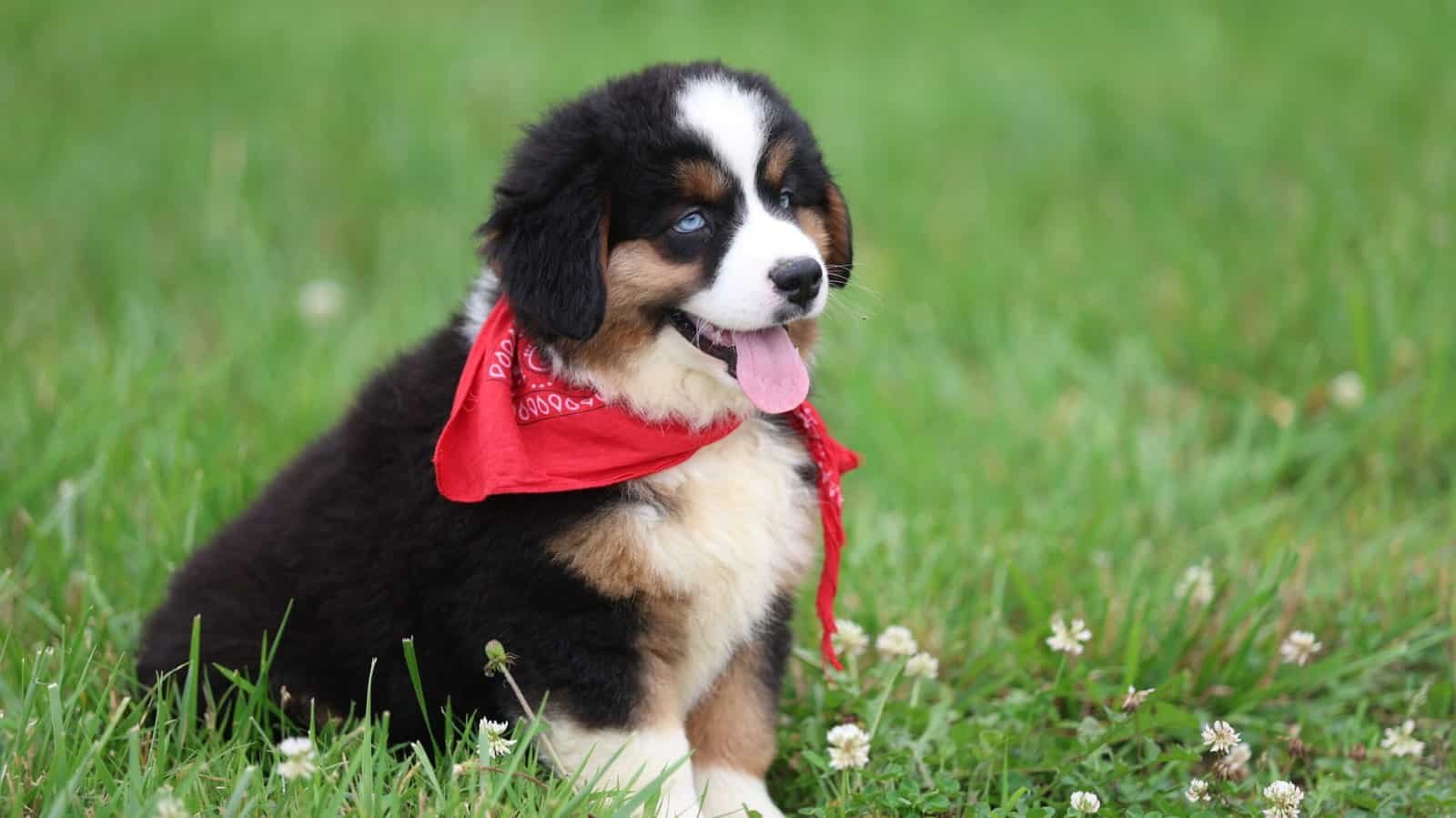
Our toys typically run 13–15 lbs at maturity. They are not delicate. They are not nervous. They are not “Aussie flavored” small dogs. They are Australian Shepherds — just in a smaller, more portable package.
pounds at maturity
Compact, portable, and easier for smaller homes or travel — but still a real Aussie with the same intelligence, drive, and need for engagement.
pounds at maturity
A bit more substantial for active families, hiking, agility, farm life, and people who want more dog without stepping into full standard Aussie size.
| Feature | Toy Aussie — Quality Bred | Toy Aussie — Diluted Lines |
|---|---|---|
| Size | 13–15 lbs, compact but correct. | Varies — may be smaller or fragile. |
| Origin | Standard Aussie lines bred down selectively. | May include Papillon, Chihuahua, or other toy breeds. |
| Structure | Correct Aussie bone, topline, movement, and angulation. | May show fine bone, domed skull, toy-breed traits, or fragile build. |
| Temperament | True Aussie drive, loyalty, trainability, and people-focus. | Can vary — sometimes more anxious, aloof, or less predictable. |
| Health | Health-tested parents and a sound, documented gene pool. | Depends heavily on breeder; long-term predictability is weaker. |
| What You Get | An Australian Shepherd in a smaller package. | An Aussie-looking dog of uncertain character. |
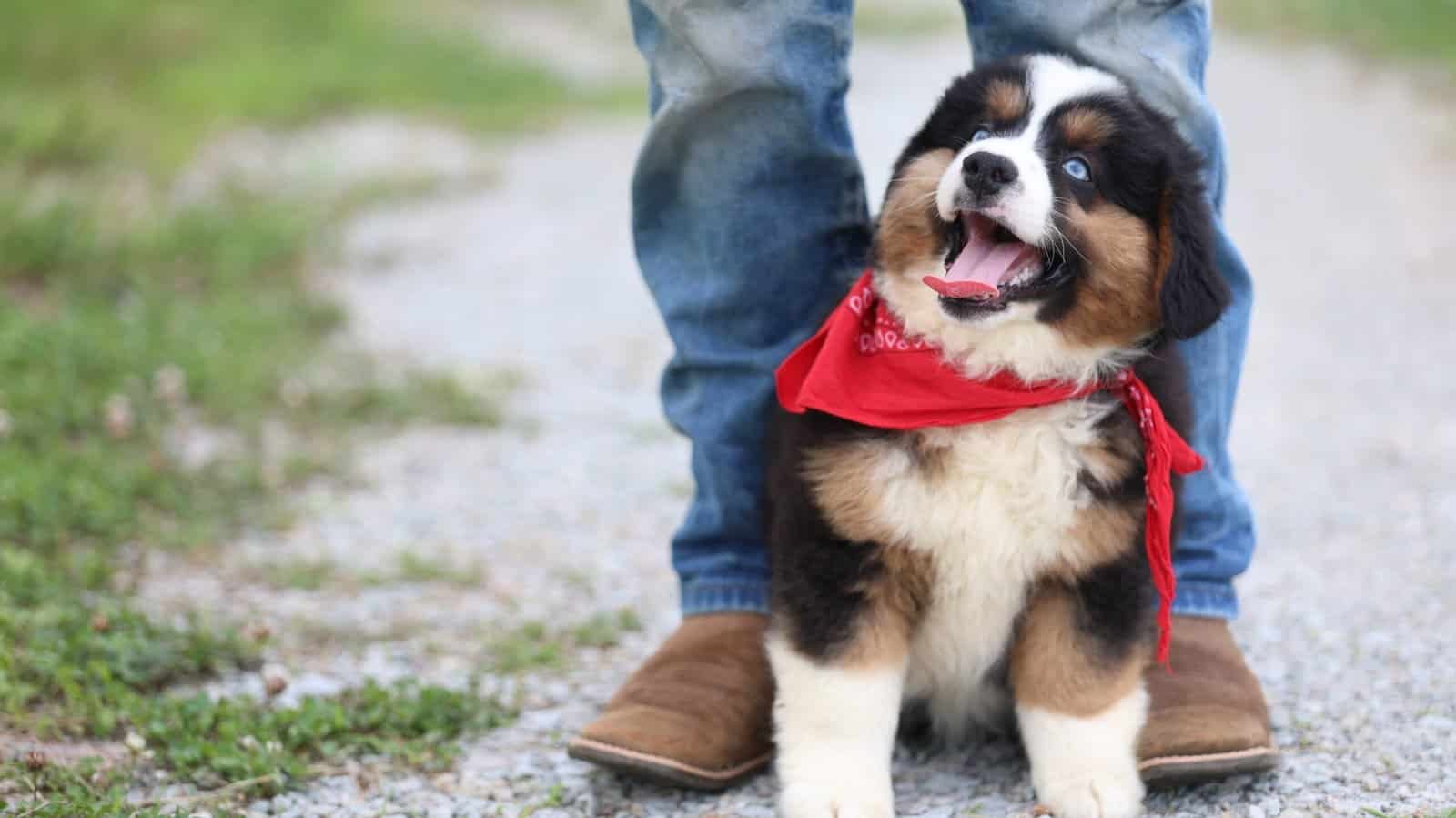
How to Evaluate a Toy Aussie Breeder
You don’t need to be a breed historian to ask the right questions. Here’s what to look for when researching toy-sized Aussie breeders:
- How long have you been specifically in Australian Shepherds — not just small dogs?
- Can you trace the toy size in your lines back through multiple generations of standard Aussie breeding?
- What does the structure look like — well-boned with correct Aussie type, or fine and delicate?
- What is the temperament of the parents — calm, engaged, people-focused?
- “Teacup” or “micro” language used as a selling point.
- Very tiny size prioritized over structure and movement.
- Parents look fragile, anxious, toy-breed-like, or poorly built.
- Breeder cannot explain line history or how size was developed.
Physical signs of correct Aussie type in a toy-sized dog
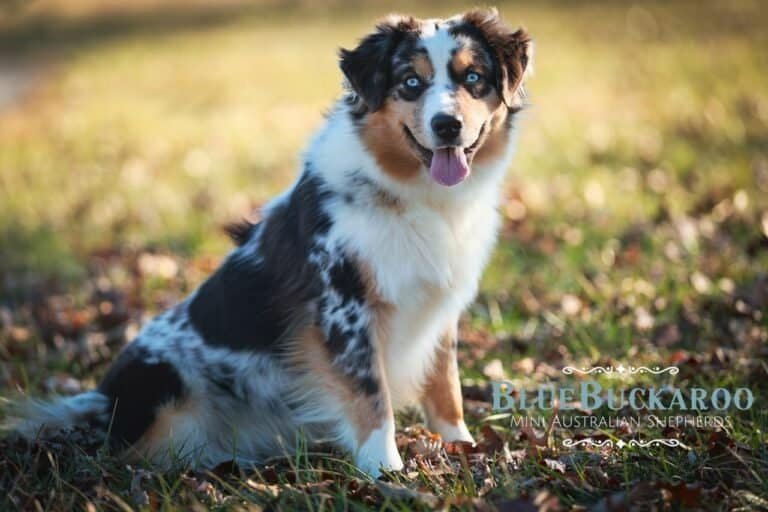
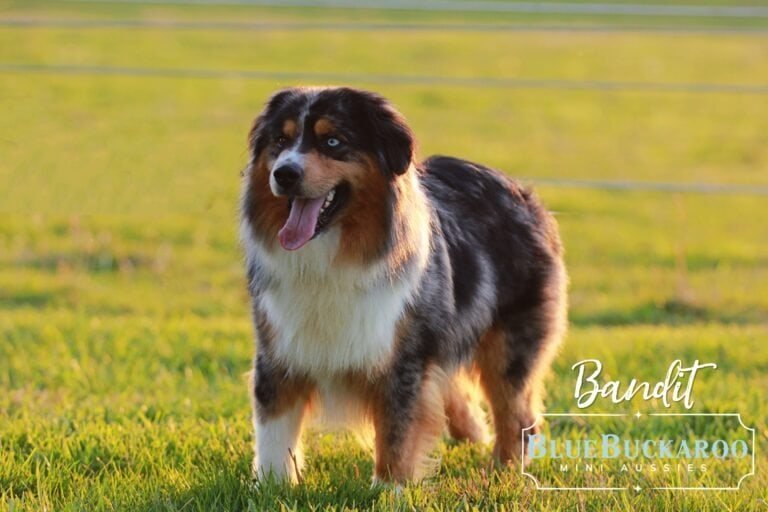
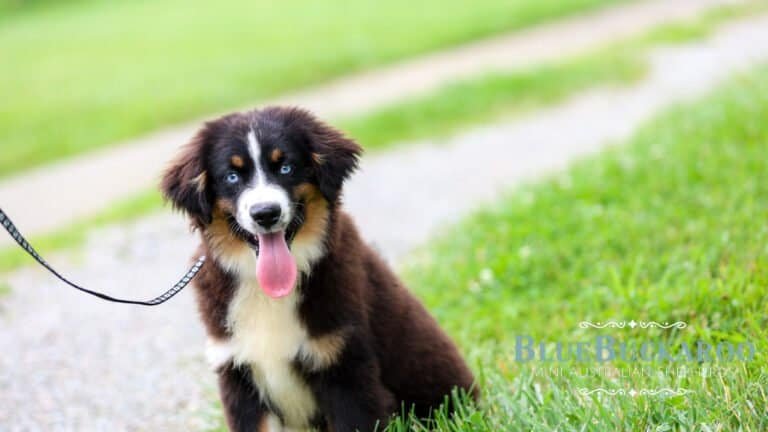
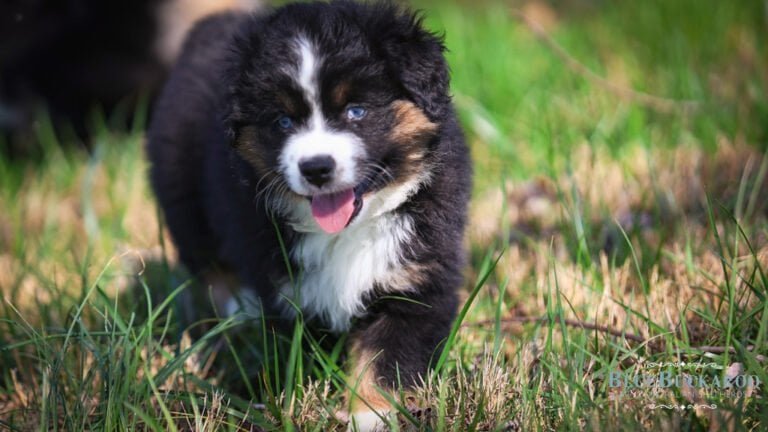
A well-bred Toy Aussie should look like a scaled-down Australian Shepherd — not like a different dog wearing Aussie coloring. Things to look for:
- Moderate bone — not fine or delicate, not coarse or heavy.
- Flat to slightly domed skull — not apple-headed or rounded like a toy breed.
- Almond-shaped eyes — not round, not protruding.
- Medium length muzzle — not snipy, not short.
- Well-angulated rear — not straight in the stifle.
- Weather-resistant double coat — not silky or single-layered.
- Movement that is effortless and ground-covering — not stilted or bouncy.
- Overall balance that looks like a true scaled-down Aussie.
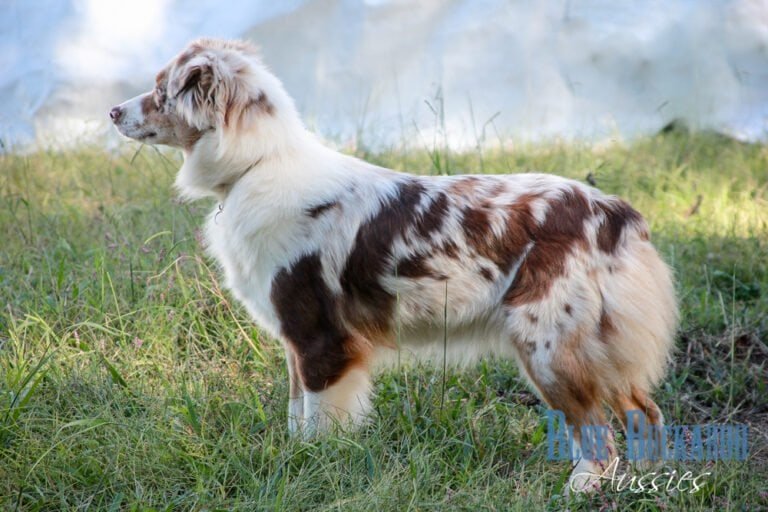
A note on color and eyes: Blue merle coloring and blue eyes are beautiful — but they are not a quality indicator. Any dog with Aussie genetics can produce these. They tell you nothing about structure, health, or bloodline integrity. Don’t let the coat color be the deciding factor.
Why We Breed Toy-Sized Aussies the Way We Do
We’ve been in Australian Shepherds for over 18 years. We knew the breeders working with these lines before “Toy Aussie” was even a widely used term. We’ve watched the breed develop — the good decisions and the shortcuts.
Our toy-sized dogs exist because we selectively bred our Mini Aussie program smaller over time — using only dogs with correct type, sound structure, health-tested parents, and true Aussie temperament at every step. We didn’t introduce outside breeds to get there faster. We didn’t sacrifice structure for size. We just waited for the right combinations.
The result is a dog that genuinely behaves, moves, and feels like an Australian Shepherd — because it is one. Our toys are calm in the home, people-focused, easy to train, and structurally sound. They just happen to fit in a smaller space.
Toy Aussie vs Mini Aussie — Which Is Right for You?
If size is your primary consideration, here’s the practical breakdown:
A Mini Aussie at 20–40 lbs is a solid, active companion — substantial enough for hiking, agility, and farm life, small enough to travel easily and live comfortably in most homes. This is our most common size range and what most families searching for a smaller Aussie end up choosing.
A Toy Aussie at 13–15 lbs fits a bit more easily into apartment living, travel, and households that want all the Aussie personality in a truly compact frame. They have the same exercise and mental engagement needs as a Mini — don’t let the smaller size fool you into thinking they’re lower maintenance. The brain is just as active.
Either way, what matters most is that the dog you bring home is genuinely, fully an Australian Shepherd — bred with integrity from lines with a documented history. Size is secondary to that.
Toy Aussie vs Mini Aussie FAQs
Are Toy Aussies real Aussies?
They can be, when bred correctly from Australian Shepherd lines selected smaller over generations. The issue is not the word “toy.” The issue is whether outside breeds or extreme tiny-size selection were used to create the dog.
How big are Blue Buckaroo Toy Aussies?
Our toy-sized Aussies typically mature around 13–15 lbs. They are compact, but they are not fragile, fine-boned, or bred to an unhealthy extreme.
Do Toy Aussies need less exercise?
No. They are smaller, but the brain is still Aussie. They still need training, structure, daily activity, and mental engagement.
What is the difference between Toy and Mini Aussies?
In practical terms, size. Our toys are usually 13–15 lbs, while minis are generally 20–40 lbs. The temperament, intelligence, loyalty, and drive should remain true to the Aussie breed.
Are teacup Aussies the same thing?
No. “Teacup” and “micro” are marketing terms, not quality standards. They often signal extreme size selection and can come with structural or health compromises.
Should I choose based on color?
No. Color and eye color are beautiful, but they do not tell you anything about structure, temperament, health, or bloodline integrity. Choose the dog and program first.
Helpful Blue Buckaroo Resources
The right size matters — but the right program matters more.
Interested in our toy or mini-sized Aussies? We’d love to tell you more about our current puppies, upcoming litters, and what size range a specific pairing is likely to produce.
Follow the Daily Adventures of Our Blue Buckaroo Puppies
See puppy videos, training moments, behind-the-scenes updates, and everyday life with our Mini Aussies.